
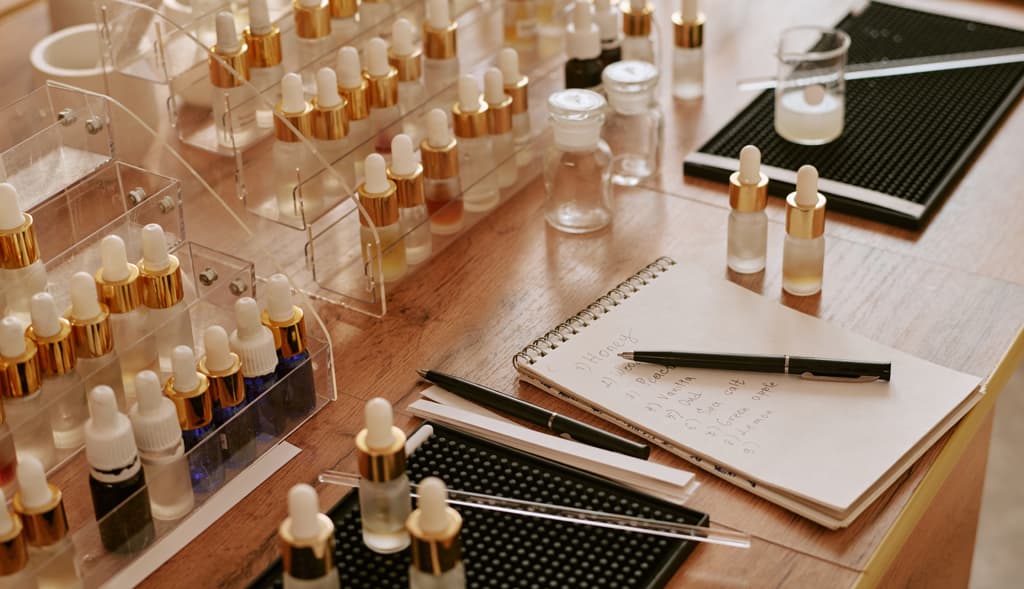
 Private Label
How to Launch Your Own Beauty Brand with Private Label Cosmetics in 2026
Learn how to start a beauty brand with private label cosmetics in 2026. Explore the key steps, advantages, and how Bio Avenues supports your brand's growth.
What's inside this guide ▼
- 01The Growing Demand for Private Label Beauty Brands
- 02How to Launch Your Beauty Brand: Step-by-Step
- 03Step-by-Step Launch Process
- 04What Still Requires Effort
- 05Common Challenges Businesses Face
- 06Where Bio Avenues Fits into This Journey
- 07Key Trends Shaping Private Label Cosmetics in 2026
- 08Final Thoughts
Launching a beauty label used to demand a factory, a formulation lab, and years of trial and error. Today, private label cosmetics have changed that equation entirely, allowing entrepreneurs, dermatologists, and retailers to build credible skincare and beauty ranges without owning a single production line. Companies like Bio Avenues, a trusted name among cosmetic manufacturing companies in India, have made this shift possible by offering ready-to-brand formulations backed by regulatory and quality expertise. If you are planning to enter the beauty industry in 2026, understanding how private label manufacturing works, the first step is toward building a brand that lasts.
Understanding Private Label Cosmetics
These are beauty products produced by a third-party manufacturer and marketed under another company's brand. Instead of building a formulation lab from scratch, a business selects from existing product ranges, adjusts packaging, fragrance, or minor formulation details, and launches under its own identity.
This model is different from custom or bespoke manufacturing, where a formula is built entirely from the ground up. Private labels offer speed and lower investment, while still allowing meaningful brand differentiation through packaging, positioning, and marketing.
The Real Cost of Launching a Beauty Brand
One of the biggest misconceptions in the beauty industry is that every brand needs a six-figure budget to get started. Industry cost analyses suggest that launching a beauty business can range anywhere from a modest amount to several hundred thousand dollars, depending heavily on the manufacturing route chosen, including formulation development, minimum order quantities, and warehousing. This wide range is precisely why so many first-time founders either overspend early or hesitate to start at all.
Private label manufacturing narrows that gap considerably. Because formulations already exist and have been tested at scale, businesses avoid the steep formulation development fees and long production timelines that traditional custom manufacturing requires. This makes the model especially attractive for clinics, dermatologists, and small business owners who want a scientifically sound product line without the capital risk of building one from zero.
Why This Model Matters in 2026
The beauty industry has grown more competitive and more scientifically driven. Consumers now expect ingredient transparency, dermatological validation, and sustainable packaging. Reputable private label cosmetic manufacturers respond to this by investing in R&D, clean-label formulations, and compliance with evolving cosmetic regulations across markets.
For clinics, dermatologists, salons, and independent entrepreneurs, this means access to professional-grade formulations without needing an in-house chemist or a large capital outlay.
01
The Growing Demand for Private Label Beauty Brands
Several factors are driving this trend forward:
- Lower barriers to entry — No need for owned manufacturing infrastructure.
- Rapid product launch — Cosmetic products can typically reach the market in a matter of weeks instead of taking years to develop.
- Access to advanced formulations — Peptides, actives, and dermatologically tested ingredients that were once exclusive to large brands.
- Scalability — Businesses can start small and scale production as demand grows.
- Customization within limits — Packaging, branding, and even fragrance can often be tailored.
This combination of flexibility and speed is precisely why more doctors, aesthetic clinics, and general entrepreneurs are exploring private label cosmetics as a serious business opportunity rather than a shortcut.
02
How to Launch Your Beauty Brand: Step-by-Step
03
Step-by-Step Launch Process
1. Establish Your Brand Identity
Determine your ideal audience, understand their needs, and define what makes your brand unique. A clear niche and distinctive positioning often help emerging brands compete more effectively than trying to appeal to everyone.. Clear identity and intentional differentiation matter far more than trying to serve everyone at once.
2. Choose the Right Manufacturing Partner
Look for cosmetic manufacturing companies that offer GMP-certified facilities, transparent ingredient sourcing, regulatory documentation support, flexible minimum order quantities, and in-house R&D. This decision affects your brand's safety record and reputation more than any other single choice.
3. Choose Your Initial Product Range
Begin with three to five essential products that address a specific customer need instead of introducing a large collection of twenty or more SKUs. Breadth without focus dilutes messaging and complicates early operations. Private label formulation catalogs let you test and refine a lineup based on real customer response before committing to a wider range.
4. Create a Memorable Brand Identity
Develop a logo, packaging, and visual style that reflects your brand and appeals to your target audience. Many brands draw from similar base formulations, so branding and storytelling are often what determine which ones actually succeed in the market. Brands with a clear narrative and consistent visual identity tend to see meaningfully stronger audience engagement than generic, feature-only messaging.
5. Establish Your E-Commerce Presence
Set up a storefront optimised for beauty products, with strong photography, clear ingredient copy, and a seamless checkout experience. The foundation you build at this stage largely determines how well the brand scales later, so it is worth getting right from day one rather than treating it as an afterthought.
6. Execute Targeted Marketing
Organic social content, influencer collaborations, and educational content can drive meaningful early sales even without a large paid-ad budget. Focus on building a community around the brand's values and ingredient story, not just listing product features.
7. Refine Your Strategy Using Insights
Monitor product performance, evaluate the effectiveness of your sales channels, and use customer reviews and feedback to guide future improvements. Because private label manufacturing removes much of the upfront capital risk, brands can afford to pivot quickly on packaging, positioning, or product mix without absorbing a major financial loss.
04
What Still Requires Effort
Lower financial and manufacturing barriers do not remove the need for strategic execution. Building a genuinely profitable beauty brand still demands sharp differentiation, disciplined marketing, and real investment in customer relationships. As manufacturing access becomes more democratized, competition naturally increases, and success depends far more on brand strategy and audience understanding than on supply-chain advantages alone.
Founders still need to invest real time in understanding their audience, shaping up a compelling brand of narrative, and running marketing that resonates. In practice, the hardest work shifts away from negotiating with manufacturers and toward building community and earning customer trust.
05
Common Challenges Businesses Face
Entering the private label of cosmetics space is not without obstacles. Understanding these early helps avoid costly missteps.
Quality Consistency
Not every manufacturer maintains uniform quality across batches. For this reason, working with a reliable manufacturer that prioritizes quality is often more valuable than simply selecting the lowest-priced option.
Regulatory Compliance
Cosmetic regulations vary by region and continue to evolve. Partnering with manufacturers that have expertise in regulatory compliance can help minimize delays and avoid potential legal issues.
Differentiation in a Crowded Market
Since many brands may use similar base formulations, differentiation increasingly comes from ingredient storytelling, clinical backing, and packaging innovation rather than the formula alone.
What Manufacturing Access Does Not Replace
Lower financial barriers do not remove the need for strategic thinking. Even with an experienced manufacturing partner handling formulation and production, brand owners still need clear positioning, consistent messaging, and a genuine understanding of their customers' needs. In a market where many labels may draw from similar base formulations, differentiation increasingly comes from ingredient storytelling, clinical credibility, and packaging, not the formula alone.
06
Where Bio Avenues Fits into This Journey
This is where experienced partners add real value. Bio Avenues, a private label cosmetic product manufacturer based in India, works with dermatologists, healthcare professionals, and emerging beauty entrepreneurs to translate formulation science into market-ready products. Rather than positioning itself as just another vendor, Bio Avenues focuses on education-led partnerships — helping clients understand ingredient rationale, regulatory requirements, and formulation science before a single unit is produced.
For professionals such as dermatologists or clinics looking to extend their expertise into product lines, this scientific grounding is particularly valuable. It ensures that branding decisions are made alongside sound formulation knowledge, not in isolation from it.
Bio Avenues' approach reflects a broader shift among cosmetic manufacturing companies: moving from purely transactional manufacturing toward collaborative, knowledge-driven partnerships. This aligns naturally with the needs of a market that is increasingly asking "what's actually in this product, and why?"
You can explore their formulation categories and manufacturing capabilities at Bio Avenues.
07
Key Trends Shaping Private Label Cosmetics in 2026
- Clean and minimalist formulations with fewer, purposeful ingredients
- Dermatologist-backed product lines, especially for sensitive and medical-adjacent skincare
- Sustainable packaging as a baseline expectation, not a differentiator
- Personalization at scale, including tailored fragrance-free or hypoallergenic ranges
- Regulatory transparency, with clearer ingredient disclosures across markets
Staying aligned with these shifts helps new brands remain relevant well beyond their launch phase.
08
Final Thoughts
Building a beauty brand no longer requires owning a factory or years of formulation research. With the right private label cosmetics partner, entrepreneurs, clinics, and healthcare professionals alike can bring scientifically sound, well-branded products to market efficiently and responsibly. Success depends on selecting manufacturing partners that emphasize product quality, regulatory compliance, and industry expertise rather than taking shortcuts. As the beauty industry continues to mature in 2026, working with knowledgeable cosmetic manufacturing companies such as Bio Avenues can help ensure your brand launch is built on a foundation of credibility, not just convenience.
Ready to bring your cosmetic brand to life?
Partner with Bioavenues for GMP-certified formulation, manufacturing and private label solutions built for scale.
Get In Touch