
 Private Label
Private Label Skincare: From Custom Formula to Finished Product at Bioavenues
Discover how private label cosmetics move from custom formulation to launch with BioAvenues. Explore manufacturing solutions and skincare innovation.
What's inside this guide ▼
- 01Understanding Private Label Cosmetics
- 02Why Private Label Manufacturing Is Growing
- 03The Journey from Formula to Finished Product
- 04Why Quality Matters in Private Label Cosmetics
- 05Private Label Cosmetics and Brand Growth
- 06How BioAvenues Supports Private Label Cosmetic Manufacturing
- 07Choosing the Right Private Label Cosmetic Manufacturers
- 08The Future of Cosmetic Manufacturing Companies
- 09Conclusion
The beauty and skincare industry continues to evolve as consumers become more conscious about ingredients, product quality, and brand authenticity. As a result, private label cosmetics have become one of the fastest-growing opportunities for entrepreneurs, skincare brands, clinics, and wellness businesses looking to launch products without building manufacturing facilities from scratch.
Modern consumers expect safe, effective, and professionally developed skincare products. This growing demand has encouraged businesses to partner with experienced manufacturers that can transform an idea into a market-ready product. From custom formulations and ingredient selection to packaging and compliance, private label manufacturing provides a streamlined path to brand development.
01
Understanding Private Label Cosmetics
Private label cosmetics allow businesses to offer skincare and beauty products under their own brand while outsourcing production to specialized manufacturers. Instead of investing in factories, research laboratories, and production systems, businesses can focus on branding, marketing, and customer engagement.
This model is widely used across:
- Skincare brands
- Dermatology-inspired product lines
- Wellness companies
- Salons and spas
- E-commerce beauty startups
- Retail cosmetic businesses
The private label approach helps brands enter the market faster while maintaining product quality and consistency.
02
Why Private Label Manufacturing Is Growing
Several industry trends are driving demand for private label skincare products:
| Industry Trend | Impact |
|---|---|
| Ingredient Awareness | Consumers check formulations carefully |
| Personalized Beauty | Demand for niche skincare solutions |
| Digital Brands | Faster product launches required |
| Competitive Market | Need for brand differentiation |
| Quality Expectations | Higher manufacturing standards |
More people now evaluate skincare products based on their quality, safety, and ingredient lists rather than simply choosing well-known brands.
03
The Journey from Formula to Finished Product
Creating successful skincare products involves much more than mixing ingredients. Every stage contributes to quality, safety, and consumer trust.
Product Concept Development
The process begins with identifying market needs.
Brands often evaluate:
- Target audience
- Skin concerns
- Product category
- Ingredient preferences
- Market trends
For example, growing demand exists for:
- Vitamin C serums
- Acne care products
- Sensitive skin solutions
- Anti-aging formulations
- Hydration-focused skincare
Understanding consumer expectations helps create products with stronger market relevance.
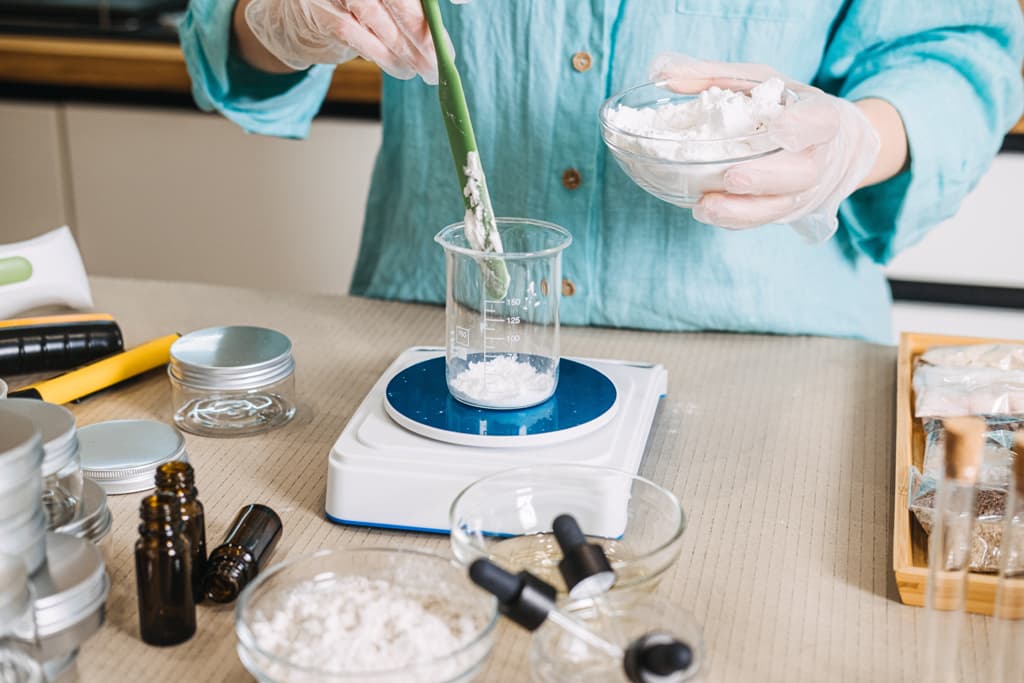
Custom Formulation Process
Custom formulation is one of the most important stages in cosmetic development.
This involves:
- Ingredient selection
- Texture optimization
- Stability testing
- Fragrance balancing
- Performance evaluation
Professional formulators work to ensure the product remains effective while maintaining skin compatibility and safety.
Quality Verification and Product Assessment
A range of quality assurance measures are conducted before products are released to the market.
Common testing procedures include:
- Stability testing
- Microbiological analysis
- Safety assessments
- Packaging compatibility testing
Quality assurance helps maintain consistency across production batches and supports regulatory compliance.
04
Why Quality Matters in Private Label Cosmetics
Modern buyers are increasingly knowledgeable and conduct thorough research before choosing products. Social media, skincare education, and ingredient awareness have significantly changed purchasing behavior.
People often evaluate products based on:
- Active ingredients
- Product safety
- Manufacturing standards
- Brand transparency
- Long-term skin compatibility
A poorly manufactured product can negatively impact both consumer trust and brand reputation.
Current Challenges in Cosmetic Manufacturing
The skincare industry faces several challenges:
- Ingredient Sourcing- Maintaining consistent ingredient quality remains essential for product performance.
- Regulatory Compliance- Manufacturers must follow established quality and safety standards.
- Product Stability- A product should continue to deliver consistent quality and effectiveness until the end of its shelf life.
- Market Competition- Brands must balance innovation with quality to remain competitive.
These challenges make experienced manufacturing partners increasingly valuable.
05
Private Label Cosmetics and Brand Growth
One reason private label cosmetics continue gaining popularity is scalability.
Businesses can:
- Launch products quickly
- Expand product categories
- Test new market segments
- Build unique brand identities
- Reduce infrastructure costs
This flexibility allows startups and established businesses to grow efficiently while focusing on customer acquisition and brand positioning.
Popular Private Label Product Categories
Current market demand is especially strong for:
Skincare
- Face serums
- Moisturizers
- Sunscreens
- Face cleansers
Haircare
- Shampoos
- Conditioners
- Hair serums
- Scalp treatments
Personal Care
- Body lotions
- Shower gels
- Hand creams
- Wellness products
Expanding into multiple categories helps brands diversify their offerings and increase customer retention.
06
How BioAvenues Supports Private Label Cosmetic Manufacturing
Bioavenues Insight
BioAvenues has positioned itself as a trusted contributor in India's growing cosmetic manufacturing ecosystem by supporting skincare, haircare, and personal care brands with professional manufacturing solutions.
Rather than focusing solely on production, the company emphasizes formulation development, quality assurance, and long-term brand support. According to the company, BioAvenues offers customized formulations, private labeling solutions, and end-to-end manufacturing services designed to simplify product development for businesses.
End-to-End Manufacturing Support
BioAvenues provides a complete development process that includes:
- Formulation development
- Product manufacturing
- Packaging solutions
- Branding support
- Marketing assistance
The company's single-window approach helps businesses manage multiple stages of product creation through one manufacturing partner.
Research and Development Expertise
An important aspect of cosmetic manufacturing is formulation innovation.
With a skilled in-house R&D department, BioAvenues focuses on developing innovative and effective formulations tailored to market needs. BioAvenues emphasizes innovation in skincare and personal care by creating solutions tailored to diverse product segments.
Focus on Quality Standards
Quality remains a major factor in skincare manufacturing.
BioAvenues emphasizes quality assurance, product consistency, and manufacturing processes aligned with recognized industry standards. The company also highlights GMP-oriented practices and quality-focused production systems.
Wide Product Portfolio
The company supports multiple product categories, including:
- Vitamin C skincare products
- Acne care solutions
- Sensitive skin formulations
- Haircare products
- Baby care products
This broad product range enables businesses to create diverse skincare and personal care portfolios under their own brand identity.
07
Choosing the Right Private Label Cosmetic Manufacturers
Not all manufacturers offer the same level of expertise and support. A well-chosen manufacturing partner serves as a foundation for delivering quality products and establishing a credible brand presence in the market.
Key Factors to Evaluate
When comparing private label cosmetic manufacturers, businesses should assess:
- Manufacturing experience
- Product quality systems
- Research capabilities
- Customization flexibility
- Packaging options
- Regulatory knowledge
- Scalability
A reliable manufacturing partner should function as a long-term collaborator rather than simply a production vendor.
Questions to Ask Before Partnering
- Can formulations be customized?
- What testing procedures are followed?
- Are quality certifications available?
- What are the minimum order quantities?
- How scalable is production?
These questions help businesses make informed decisions before launching products.
08
The Future of Cosmetic Manufacturing Companies
The skincare market continues to move toward science-backed formulations, transparency, and consumer education.
Many cosmetic manufacturing companies are now investing in:
- Advanced formulation technologies
- Sustainable ingredients
- Clean beauty solutions
- Dermatology-inspired products
- Enhanced quality systems
Consumers increasingly expect products that combine innovation with safety and credibility.
As awareness continues growing, manufacturers that prioritize research, formulation quality, and transparency are likely to remain important partners for emerging beauty brands.
09
Conclusion
The rise of private label cosmetics has transformed how skincare and personal care brands enter the market. By reducing manufacturing barriers and providing access to professional expertise, private labeling enables businesses to focus on branding, customer experience, and long-term growth.
Companies like BioAvenues contribute to this ecosystem by offering formulation development, manufacturing support, and quality-focused production solutions that help businesses bring skincare concepts to life. Their emphasis on research, customization, and end-to-end product development aligns with the growing demand for reliable and professionally manufactured cosmetic products.
For brands exploring growth opportunities in the beauty industry, partnering with experienced private label cosmetic manufacturers can provide a practical pathway from concept to finished product while maintaining quality, consistency, and market credibility.
Ready to bring your cosmetic brand to life?
Partner with Bioavenues for GMP-certified formulation, manufacturing and private label solutions built for scale.
Get In Touch