How Green Packaging Is Transforming the Beauty Industry?
Beauty has always reflected more than appearance—it embodies evolution, expression, and the choices we make. Today, that transformation goes beyond skin-deep benefits and extends into the values behind the products we choose. The shift toward green packaging is redefining how skincare and cosmetic brands design, produce, and deliver their products. Elegant formulations are now paired with thoughtful packaging choices that respect both skin health and the planet.
Modern buyers seek transparency, eco-conscious practices, and ethical responsibility from the brands they support. Today’s consumers value honesty, sustainable initiatives, and principled practices when selecting products.
For readers interested in discovering advanced green packaging solutions for cosmetics, exploring forward-thinking innovations in sustainable packaging can reveal how responsible design and skincare excellence now work hand in hand.
Highlights
- The Rise of Green Packaging in the Beauty Industry
- The Role of Sustainable Packaging in the Cosmetics Industry
- Core Principles of Sustainable Cosmetic Packaging
- Types of Eco-Friendly Beauty Packaging
- Sustainable Skincare Packaging and Dermatology
- The Role of Innovation in Green Packaging
- How Eco-Conscious Beauty Brands Are Leading the Change
- Consumer Awareness and the Sustainable Beauty Movement
- The Future of Green Packaging in Cosmetics
- Final Thoughts
- FAQs
The Rise of Green Packaging in the Beauty Industry
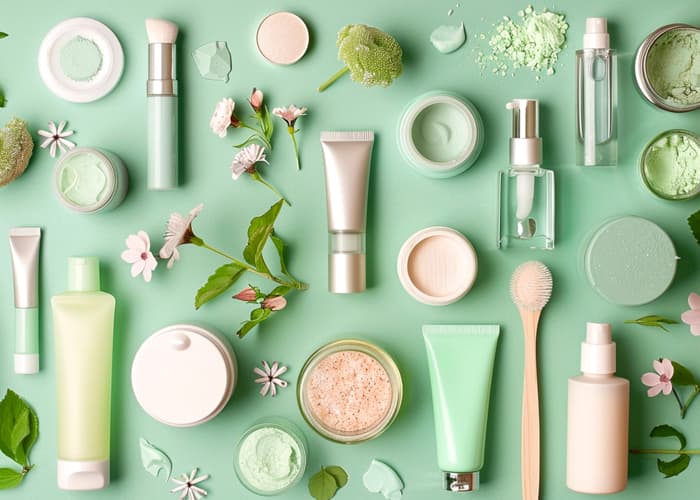
A new era of conscious beauty is unfolding. Modern buyers care as much about a product’s ecological impact as they do about its ingredients.
In the cosmetics industry, green packaging includes products made to minimize environmental strain, featuring refillable, compostable, or streamlined designs. The goal is simple yet powerful: reduce waste while maintaining product safety, performance, and aesthetic appeal.
This movement has grown rapidly as climate awareness rises and consumers demand more accountability from eco-conscious beauty brands. Packaging once designed purely for marketing and shelf appeal is now being reconsidered through a sustainability lens.
Today’s beauty shoppers are actively seeking:
- Eco-friendly beauty packaging
- Plastic-free beauty packaging
- Refillable beauty packaging
- Biodegradable cosmetic packaging
- Recyclable beauty packaging
This shift has pushed manufacturers, designers, and formulators to collaborate closely to create packaging that aligns with environmental responsibility without compromising luxury or functionality.
The Role of Sustainable Packaging in the Cosmetics Industry
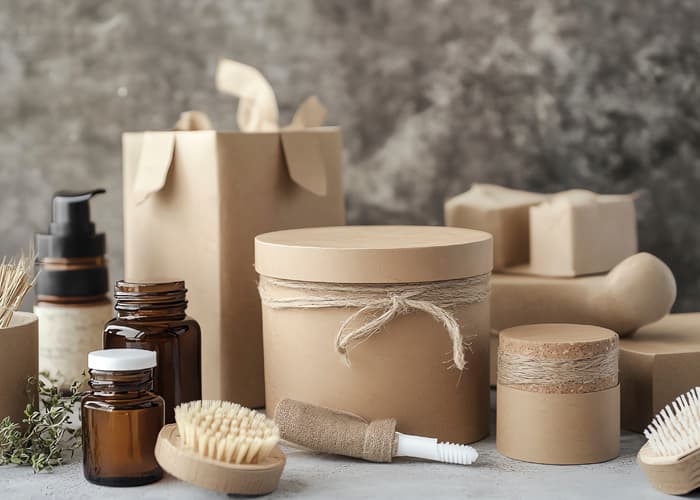
Annually, the cosmetics sector contributes vast quantities of packaging to the market.
Much of it historically relied on single-use plastics, multilayer materials, and non-recyclable containers. Many of these materials ultimately find their way into landfills or oceans, causing serious harm to the environment. Environmentally responsible packaging helps lower waste at every stage, from ingredient sourcing to final disposal. Key environmental benefits include:
- Reduced plastic pollution
- Lower carbon footprint during production
- Improved recyclability and reuse
- Less landfill waste
From a dermatology perspective, responsible packaging also helps maintain product stability and safety. Packaging innovations now focus on protecting sensitive active ingredients while minimizing environmental harm. The result is a healthier balance between skincare performance and ecological responsibility.
Core Principles of Sustainable Cosmetic Packaging
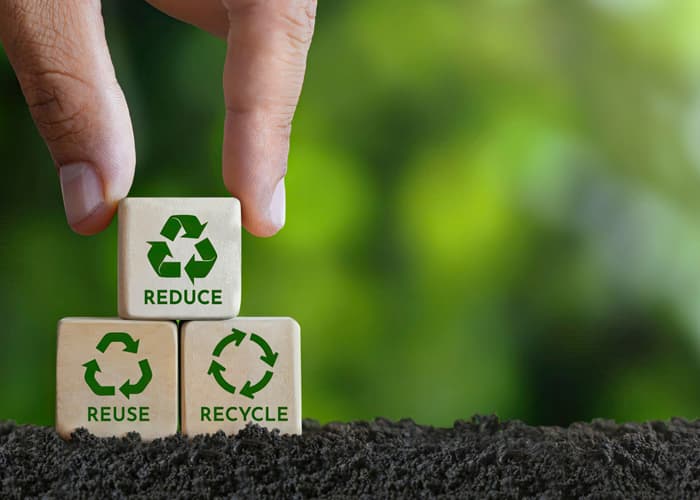
The shift toward environmentally friendly beauty packaging follows several guiding principles. These approaches help manufacturers craft packaging that balances environmental responsibility with product performance.
1. Reduction
Minimal material use is the first step toward sustainability. Minimal packaging in cosmetics removes unnecessary layers, inserts, and decorative elements. This approach reduces material consumption while maintaining an elegant aesthetic.
2. Reusability
This type of packaging allows for repeated use, cutting down on discarded containers and environmental impact.
Refill systems are increasingly common for serums, moisturizers, and cleansers. This significantly reduces packaging waste over time.
3. Recyclability
Using recyclable cosmetic containers ensures materials can re-enter the production cycle instead of ending up in landfills.Recyclable materials such as glass, aluminum, and specific plastics are gaining popularity among cosmetic brands.
4. Biodegradability
Compostable beauty packaging and biodegradable cosmetic packaging break down naturally after disposal, reducing long-term environmental impact. Plant-based polymers and paper-based containers are leading innovations in this category.
Types of Eco-Friendly Beauty Packaging
The beauty sector is exploring multiple packaging formats designed to support a sustainable beauty industry. Every type of packaging plays a unique role in lessening its ecological footprint.
Recyclable Beauty Packaging
Recycling is still a leading strategy for reducing environmental impact in packaging. Examples include:
- Glass jars for creams and serums
- Aluminium tubes for ointments
- Mono-material plastic bottles
Using materials that can be easily separated and processed increases recycling efficiency.
Refillable Beauty Packaging
Refill systems are one of the most exciting sustainable packaging innovations in beauty. Consumers keep the outer container and purchase refill pods or cartridges when the product runs out. This dramatically reduces plastic use over time.
Refillable packaging is particularly effective for:
- Moisturizers
- Sunscreens
- Cleansers
- Serums
Biodegradable and Compostable Packaging
Compostable beauty packaging uses natural materials such as bamboo fiber, molded pulp, or biodegradable bioplastics. These materials break down under composting conditions, leaving minimal environmental residue.
Plastic-Free Beauty Packaging
Many eco-conscious beauty brands are experimenting with plastic-free beauty packaging alternatives such as:
- Glass bottles
- Metal tins
- Paper-based tubes
- Wooden caps
These options reduce reliance on petroleum-based plastics while maintaining product safety.
Zero-Waste Solutions for Skincare and Cosmetics
Zero-waste cosmetic packaging focuses on creating containers that fully support reuse, recycling, or composting. Certain brands provide return programs that allow customers to send back empty containers for reuse or repurposing.
Sustainable Skincare Packaging and Dermatology
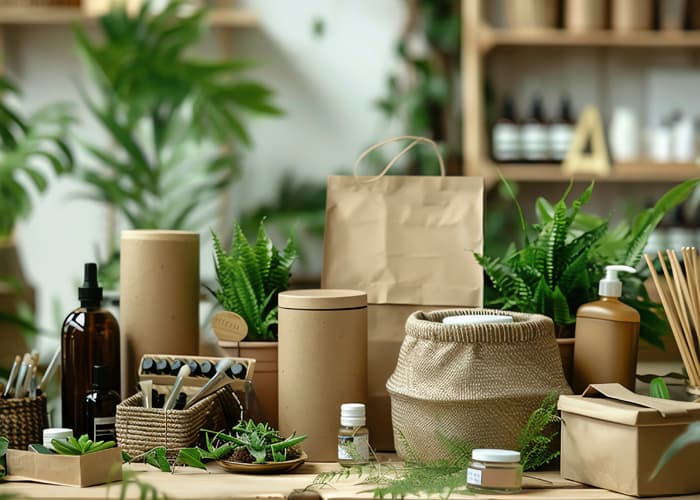
Packaging plays a surprisingly important role in skincare performance. Dermatologists often highlight that packaging must:
- Protect formulations from light and oxygen
- Prevent contamination
- Preserve active ingredient stability
Modern eco-friendly skincare packaging integrates sustainability with dermatological functionality. For example:
- Airless pumps reduce oxidation of sensitive ingredients like vitamin C.
- Opaque recyclable containers protect retinol from light degradation.
- Refill systems maintain product hygiene while minimizing waste.
These innovations ensure that sustainability does not compromise product efficacy or safety.
The Role of Innovation in Green Packaging
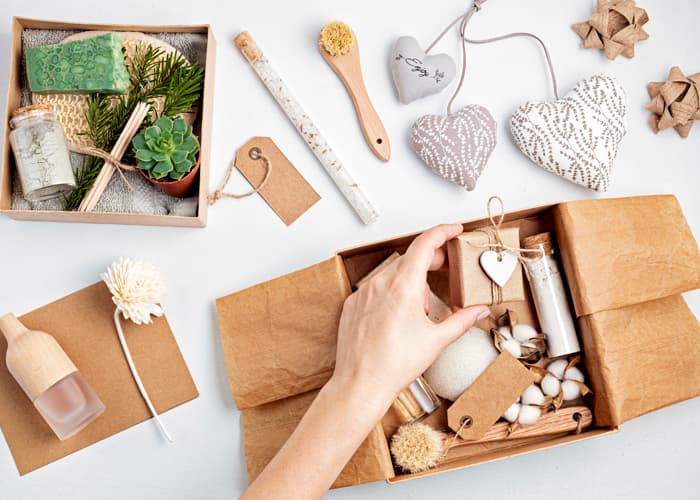
Rapid technological advancements are driving the evolution of green packaging solutions for cosmetics. Key innovations include:
- Renewable Bioplastic- Materials made from renewable resources like corn starch or sugarcane, offer a durable and practical alternative while cutting dependence on fossil fuels.
- Smart Refill Systems- New refill technologies allow consumers to replace inner product cartridges while retaining premium outer packaging. This approach balances sustainability with luxury aesthetics.
- Lightweight Packaging- Reducing packaging weight lowers transportation emissions, contributing to a smaller carbon footprint.
- Digital Traceability- Some brands now include QR codes on packaging to provide transparency about materials, recyclability, and sustainability practices.
These sustainable packaging innovations in beauty allow consumers to make informed choices while encouraging responsible consumption.
How Eco-Conscious Beauty Brands Are Leading the Change
Forward-thinking brands are increasingly prioritizing eco packaging for beauty products. Their sustainability strategies often include:
- Switching to sustainable cosmetic containers
- Eliminating unnecessary secondary packaging
- Adopting recyclable cosmetic container designs
- Investing in compostable beauty packaging
- Implementing refill programs
Many companies also partner with sustainability experts and green packaging specialists to accelerate this transformation. By working together, the beauty sector can advance toward greater sustainability while continuing to innovate products.
Consumer Awareness and the Sustainable Beauty Movement
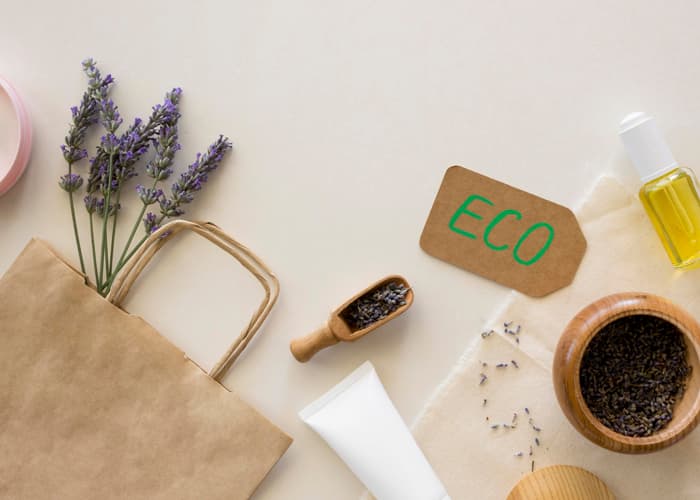
People today pay greater attention to sustainability when making purchasing decisions. Packaging decisions influence purchasing behaviour almost as strongly as ingredient lists. Key consumer trends include:
- Preference for eco-friendly cosmetic packaging
- Growing demand for sustainable skincare packaging
- Interest in refillable and recyclable packaging systems
- Support for eco-conscious beauty brands
Consumers are also becoming more informed about how to dispose of packaging responsibly. Clear labelling and transparency are helping guide these decisions. Growing consumer consciousness is turning sustainable packaging into a baseline standard rather than a competitive edge.
Practical Tips for Choosing Sustainable Beauty Products
Consumers looking to support the sustainable beauty industry can make mindful packaging choices when selecting skincare products. Here are simple guidelines to follow:
- Look for Refillable Options- Refill systems reduce waste significantly over time.
- Choose Recyclable Materials- Glass, aluminium, and mono-material plastics are easier to recycle.
- Support Plastic-Free Brands- Whenever possible, choose plastic-free beauty packaging alternatives.
- Avoid Excessive Packaging- Minimal packaging reduces unnecessary material waste.
- Check Sustainability Labels- Check for details that indicate a product uses eco-friendly or sustainable packaging.
These small choices collectively make a meaningful impact on reducing environmental harm.
The Future of Green Packaging in Cosmetics
Over the next ten years, sustainable packaging in the beauty industry is expected to undergo even more significant transformations. Emerging trends include:
- Advanced biodegradable polymers
- Refillable luxury skincare systems
- Fully compostable packaging solutions
- Circular packaging economies
- Smart packaging that tracks environmental impact
The integration of sustainability into product design is shaping a new standard for the beauty sector. With ongoing technological progress, eco-friendly packaging for cosmetics is set to become increasingly accessible, cost-effective, and widely embraced throughout the industry.
Final Thoughts
Sustainability is no longer an optional initiative; it is becoming a defining characteristic of modern skincare and cosmetics. Green packaging is transforming the way products are created, delivered, and experienced, helping the beauty industry move toward a more responsible and environmentally conscious future.
From recyclable beauty packaging and biodegradable cosmetic packaging to innovative refillable beauty packaging, every advancement brings the industry closer to reducing its environmental footprint while maintaining the quality and effectiveness consumers expect.
For skincare enthusiasts and conscious consumers alike, choosing products packaged responsibly is a meaningful step toward supporting a healthier planet. Exploring thoughtfully designed formulations and eco-friendly skincare packaging can make everyday skincare routines both effective and environmentally mindful.
As the journey toward sustainability continues, the harmony between science-driven skincare and environmentally responsible packaging will remain a defining element of the future of beauty.
FAQs
1. What is meant by green packaging?
Eco-friendly packaging, or green packaging, focuses on reducing environmental harm through reusable, recyclable, biodegradable, or low-waste designs.
2. What are the benefits of using green products?
Green products help reduce plastic pollution, lower carbon footprints, support recyclability, and promote sustainable consumption without compromising product quality.
3. What is an example of green packaging?
Examples include refillable skincare containers, glass jars, aluminium tubes, biodegradable bioplastic bottles, and compostable paper-based packaging.
4. What is a Type 3 packaging material?
Type 3 packaging materials are typically multi-layer or composite materials that may combine plastics, aluminium, or paper for barrier protection, though newer eco-friendly alternatives aim to replace them.
5. What are the latest trends in packaging?
Current trends include refillable systems, plastic-free packaging, biodegradable or compostable containers, lightweight designs, and smart packaging with traceability features.