PDRN in Skincare: What You Need to Know
Radiant skin has always been the quiet signature of vitality. Today, regenerative dermatology is redefining that glow with advanced bioactive ingredients designed to repair, restore, and renew at a cellular level. Among these innovations, PDRN in skincare is rapidly emerging as a breakthrough for those seeking visible rejuvenation without aggressive downtime.
From elite aesthetic clinics in Seoul to sophisticated dermatology practices worldwide, PDRN-based therapies are clinically used in the conversation around skin regeneration.
If you’re exploring advanced solutions for aging, acne scars, pigmentation, or dullness, this guide will help you understand the science, the benefits, and the possibilities, while also discovering how peptide-forward formulations can elevate your routine.
Highlights
- What is PDRN and how does it work?
- PDRN Benefits for Skin
- Types of PDRN Skin Treatment
- Is PDRN Safe?
- PDRN Before and After: What to Expect
- PDRN Treatment Cost & Price in India
- Integrating PDRN With Your Skincare Routine
- Final Thoughts: A Regenerative Approach to Radiance
- FAQs
What is PDRN and how does it work?
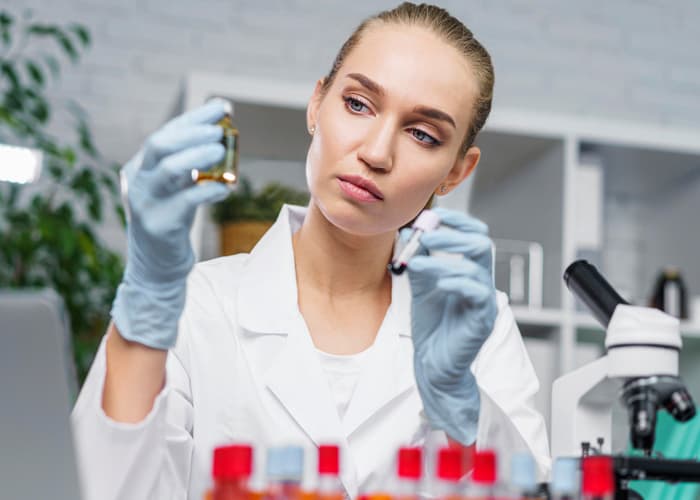
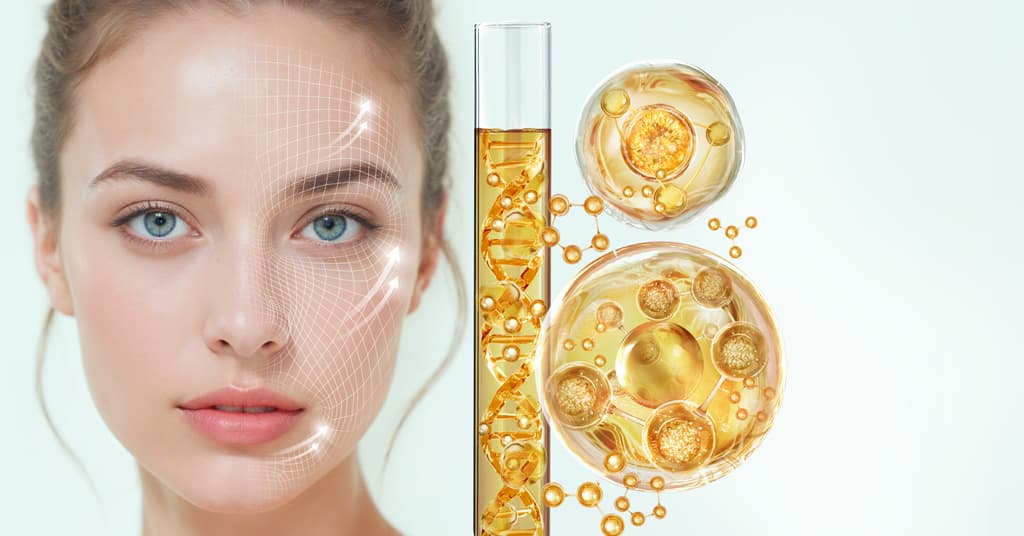
PDRN (polydeoxyribonucleotide) is a skin-repair ingredient made from purified DNA fragments, usually derived from salmon. It is used in dermatology treatments to improve acne scars, fine lines, dullness, and skin barrier health by supporting collagen production and natural healing. Results appear gradually over multiple sessions
Unlike traditional actives that exfoliate or resurface the skin, PDRN works deeper — supporting cellular repair mechanisms. Its molecular structure allows it to stimulate tissue regeneration, enhance skin repair, and improve overall dermal function.
Unlike traditional actives that exfoliate or resurface the skin, PDRN works deeper — supporting cellular repair mechanisms. Its molecular structure allows it to stimulate tissue regeneration, enhance skin repair, and improve overall dermal function.
In everyday terms, when someone asks, ‘So, what exactly is PDRN? and the answer is that it’s a DNA-based regenerative therapy designed to help the skin heal, rebuild, and function more efficiently.
Understanding how PDRN works reveals why it’s becoming a preferred solution as PDRN activates adenosine A2A receptors in the skin, which play a role in:
- Stimulating fibroblast activity
- Encouraging collagen production
- Improving microcirculation
- Enhancing wound healing
This leads to improved PDRN skin regeneration, better hydration retention, and smoother texture over time.
Instead of forcing exfoliation or creating controlled injury (like some procedures do), PDRN supports natural biological repair. That makes it especially attractive for compromised, sensitive, or aging skin.
PDRN Benefits for Skin
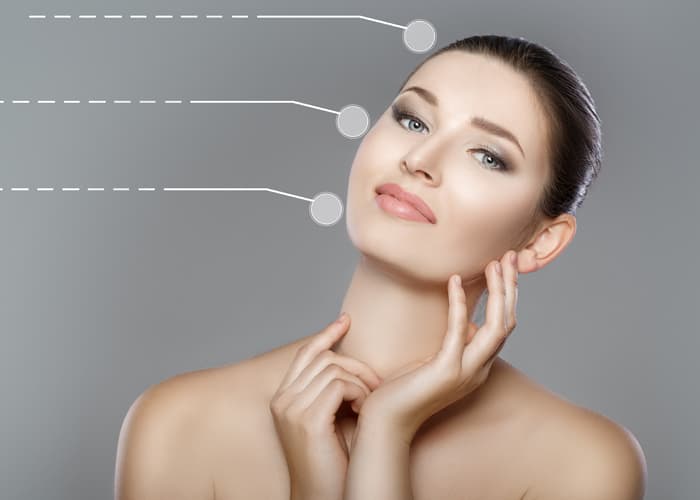
The growing popularity of PDRN benefits for skin lies in its versatility. It addresses multiple concerns simultaneously.
1. PDRN for Anti-Aging
Fine lines, elasticity loss, and thinning skin respond well to regenerative stimulation. PDRN for anti-aging works by encouraging collagen synthesis and dermal remodelling, resulting in firmer, more resilient skin.
2. PDRN for Wrinkles
Improved dermal density reduces the appearance of static lines. Unlike temporary fillers, PDRN for wrinkles enhances the skin’s internal repair processes.
3. PDRN for Acne Scars
Textural irregularities from acne can be challenging. PDRN for acne scars promotes tissue repair and smoother skin architecture over multiple sessions.
4. PDRN for Pigmentation
Enhanced skin turnover and healthier cellular function can improve uneven tone. PDRN for pigmentation is particularly beneficial when combined with professional treatments.
5. PDRN for Skin Barrier Support
Barrier dysfunction contributes to sensitivity and dehydration. PDRN supports the skin’s protective layer, enhancing its resilience and preventing excessive moisture loss.
6. PDRN for Dull Skin
Poor circulation and slow cell turnover lead to a lacklustre complexion. PDRN for dull skin restores vibrancy by boosting microcirculation and dermal vitality.
7. PDRN Under Eye Treatment
Delicate under-eye skin benefits from regenerative support. PDRN under-eye treatment can improve crepiness, thin skin, and mild pigmentation concerns.
Types of PDRN Skin Treatment
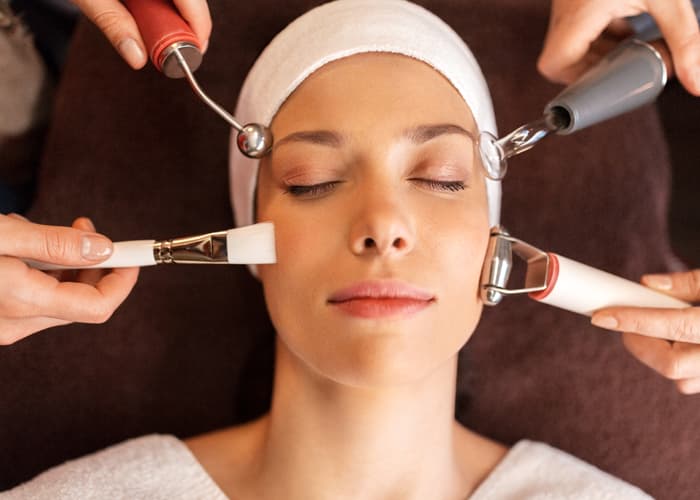
Modern aesthetic dermatology offers several approaches to PDRN skin treatment.
- PDRN Injection Treatment: The most direct method involves microinjections into targeted areas. PDRN injection treatment allows controlled placement within the dermis, making it suitable for scars, wrinkles, and skin thinning.
- PDRN Mesotherapy: It delivers small doses across broader facial areas to improve texture and glow. It’s often chosen for overall rejuvenation.
- PDRN Microneedling: It enhances absorption and stimulates additional collagen remodelling.This approach works particularly well for improving post-acne texture and minimizing visibly enlarged pores.
- PDRN Facial: A facial that typically involves topical application after mild procedures like dermaplaning or microneedling. It’s less invasive but still supports regeneration.
PDRN vs PRP
Both are regenerative, but they differ significantly:
| Treatment | What it Does | Best For |
|---|---|---|
| PDRN | Repairs & regenerates skin | Scars, aging, barrier |
| PRP | Uses your blood to heal | Hair + skin repair |
| Retinol | Speeds cell turnover | Acne, fine lines |
| Lasers | Resurfaces skin | Pigmentation, texture |
| Fillers | Add volume | Deep wrinkles |
Is PDRN Safe?
A common question often raised: Is PDRN safe?
When administered by trained professionals, PDRN has shown a favorable safety profile. Because the DNA fragments are highly purified and biocompatible, allergic reactions are rare.
Possible Side Effects
Minor and temporary effects may include:
- Mild erythema
- Inflammation
- Tiny spots of bruising
- Temporary soreness in treated spots
These typically resolve within a few days. As with any injectable or professional procedure, treatment should be performed at a reputable clinic with experienced dermatologists.
PDRN Before and After: What to Expect
PDRN delivers subtle, gradual improvements that maintain a natural appearance.
Timeline | Expected Skin Changes |
| Week 1–2 | Improved hydration and a subtle, healthy glow |
| Week 3–6 | Texture refinement, enhanced elasticity, and softening of fine lines |
| After Multiple Sessions | Visible improvement in acne scars, increased skin density, and overall luminosity |
Tip: The beauty of PDRN lies in progressive enhancement rather than dramatic overnight change.
PDRN for Skin Repair & Barrier Restoration
Inflammation, over-exfoliation, and environmental stress weaken the skin. PDRN for skin repair focuses on rebuilding rather than masking damage.
Dermatologists often recommend it for:
- Post-laser recovery
- Post-peel healing
- Compromised barrier conditions
- Sensitive or reactive skin
When paired with barrier-supporting topical peptides and growth-factor-inspired formulations, recovery becomes more efficient and refined.
PDRN Treatment Cost & Price in India
Prices vary based on city, clinic expertise, and product quality:
- Clinic expertise
- Product brand
- Treatment area
- Number of sessions
The PDRN treatment cost globally ranges from moderate to premium-tier aesthetic procedures.
In India, the PDRN treatment price in India typically depends on metropolitan location and clinic reputation. Because it’s a regenerative injectable, it is priced similarly to advanced mesotherapy treatments.
Choosing the best PDRN clinic involves evaluating:
- Dermatologist credentials
- Authentic product sourcing
- Hygiene standards
- Transparent consultation
Tip: Cost should never outweigh safety and expertise
PDRN is mostly suitable for:
- Early signs of aging
- Thin or fragile skin
- Acne scarring
- Pigmentation irregularities
- Post-procedure recovery
- Under-eye rejuvenation
It may not be ideal for individuals with active infections, certain systemic illnesses, or pregnancy without medical consultation.
Integrating PDRN With Your Skincare Routine
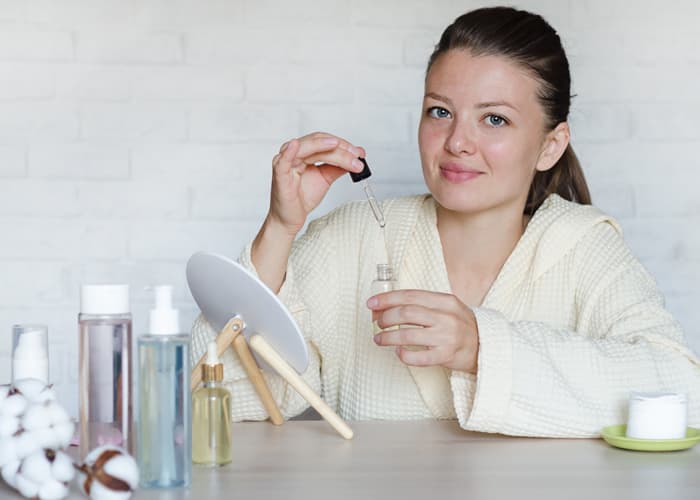
Professional treatments deliver in-clinic results. However, maintaining those results requires intelligence at-home care.
To maximize PDRN skin regeneration:
- Use gentle, non-stripping cleansers
- Incorporate peptide-rich serums
- Support barrier repair with ceramides
- Apply broad-spectrum sunscreen daily
- Avoid over-exfoliation
Regenerative treatments thrive in a supportive skincare environment. Thoughtfully formulated peptide-based solutions can enhance collagen signalling and skin resilience between sessions.
PDRN vs Traditional Anti-Aging Treatments
Compared to aggressive resurfacing or filler-based corrections, PDRN emphasizes biological restoration.
- Fillers – Add volume
- Lasers- Resurface
- Retinoids – Accelerate turnover
- PDRN- Rebuilds and repairs
This makes it ideal for patients seeking subtle rejuvenation without structural alteration.
PDRN Aftercare (First 48–72 Hours)
- Avoid active ingredients (retinol, acids)
- Use gentle cleanser + moisturizer
- Apply sunscreen strictly
- Avoid heat (sauna, sun exposure)
- Do not touch or massage treated area
Final Thoughts: A Regenerative Approach to Radiance
The future of skincare emphasizes underlying skin health, rather than only surface improvements. PDRN in skincare represents a refined, biologically intelligent method of rejuvenation, one that respects the skin’s natural architecture while enhancing its repair capacity.
From PDRN for anti-aging and PDRN for wrinkles to acne scars, pigmentation, and barrier repair, this polynucleotide innovation offers multi-dimensional benefits with a safety profile that appeals to discerning skincare enthusiasts.
For those exploring advanced regenerative therapies, pairing in-clinic treatments with thoughtfully crafted peptide-based formulations can amplify results beautifully. Explore sophisticated skincare solutions designed to support collagen health, barrier strength, and long-term skin vitality, and allow your skin to reflect the science-backed elegance it deserves.
FAQs
1. What do you need to know about PDRN?
PDRN (Polydeoxyribonucleotide) is a regenerative ingredient derived from purified DNA fragments, commonly sourced from salmon, that supports skin repair, collagen production, and overall rejuvenation.
2. What does PDRN do for the skin?
PDRN stimulates fibroblast activity, boosts collagen synthesis, improves microcirculation, and enhances skin healing. It helps improve wrinkles, acne scars, pigmentation, elasticity, and overall skin luminosity through biological regeneration.
3. Is retinol or PDRN better?
Retinol accelerates cell turnover and targets surface-level aging concerns, while PDRN focuses on deep tissue repair and regeneration. They serve different purposes—retinol resurfaces, whereas PDRN rebuilds and restores skin integrity.
4. What is PDRN skincare made of?
PDRN skincare is formulated using purified fragments of DNA (polynucleotides), typically derived from salmon. These highly refined molecules are biocompatible and designed to stimulate cellular repair and regeneration.
5. What is PDRN in cosmetics?
In cosmetics, PDRN refers to polynucleotide-based formulations used in facials, mesotherapy, or topical treatments to promote skin healing, hydration, and anti-aging benefits. It represents a regenerative approach to modern skincare.