
6 Easy Remedies to Heal Cracked Heels and Keep Them Smooth
Struggling with painful, dry feet? Cracked heels hurt, bleed, and make even walking uncomfortable. They also affect confidence, especially when wearing open footwear. Here’s how to heal cracked heels home remedies right at home without expensive treatments. Foot creams containing urea can repair those deep fissures faster than you think.
Urea is a powerful moisture-binding ingredient naturally found in your skin. It deeply hydrates the outer skin layer, reinforces the protective barrier, and helps defend against microbes—making your skin smoother, healthier, and more resilient.
This blog explains why cracked heels occur and break down six simple, effective remedies that work—along with the latest heel-care innovations that help keep your feet smooth, healthy, and protected.
Keep reading if you want real dermatology-supported solutions that work.
Do you know?
Ayurveda says cracked, dry heels are a sign of Vitiated Vata Dosha, known as Padadari—and traditional healers even used Rakta Snuhi (a soothing herbal plant) to treat it!
Highlights
- Understanding Why Your Heels Crack
- Hidden Medical Triggers Behind Cracked Heels
- How to Heal Cracked Heels: 6 Easy Remedies that Heal Dry, Cracked Heels Effectively
- A Simple Everyday Foot-Care Routine
- Why Urea Foot Cream Is a Game-Changer
- How to Prevent Heel Cracks from Returning
- Managing Heel Pain Safely
- Outlook: Will Your Heels Recover?
- To Sum-Up
- FAQs
Understanding Why Your Heels Crack
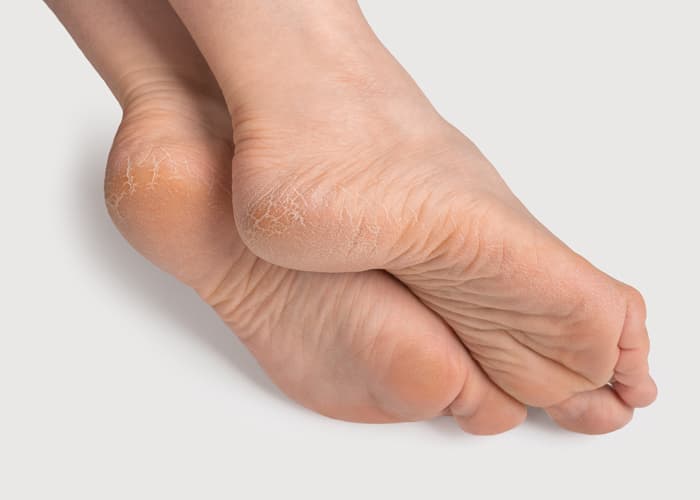
Cracked heels happen when the skin on your feet becomes dry, thick, and fragile. Repeated pressure from standing, walking, and friction makes the dry skin split open. Lack of moisture is the biggest trigger, but environmental exposure, harsh soaps, external stresses during physical activities and low humidity also worsen the problem.
Dermatologists call this condition of heel fissuring—a sign that your skin barrier is breaking down. When the barrier weakens, water escapes faster, leading to rough, flaky texture and painful cracks. Many people think cracked heels are just cosmetic. But they can lead to deeper wounds, infections, and inflammation if ignored.
“Think of moisturizing as the daily medicine your heels cannot skip.”
Hidden Medical Triggers Behind Cracked Heels
Some health issues make the skin more prone to cracking. These include:
- Hypothyroidism (slows skin regeneration)
- Diabetes (reduces natural oil production and healing speed)
- Eczema or psoriasis
- Obesity (extra weight increases heel pressure)
- Fungal infections such as athlete’s foot
If your cracked heels don’t improve with home care, a medical evaluation can help spot underlying causes.
How to Heal Cracked Heels: 6 Easy Remedies that Heal Dry, Cracked Heels Effectively
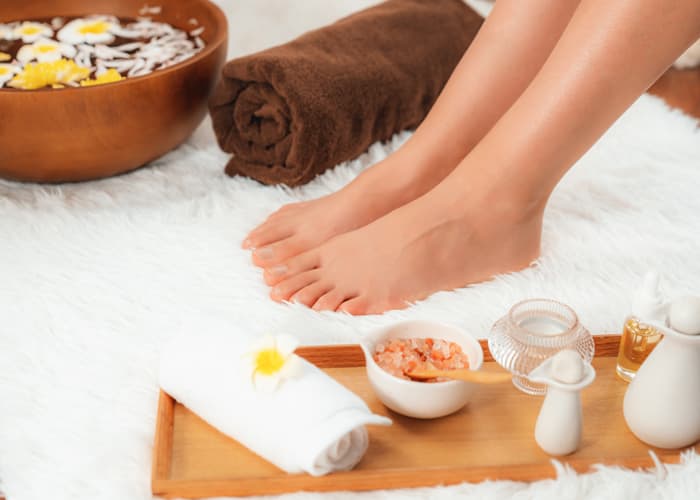
With the right ingredients and routine, you can restore your skin barrier, boost healing, and get smooth heels again. Below are the most effective, science-supported strategies. Each one works differently, so combining 2–3 methods gives the best results.
1. Hydrating Foot Ritual for Deep Moisture Repair
A rich moisturizing routine is the foundation of heel healing. Hydration softens the thick skin and improves elasticity, preventing new splits. Use ingredients like shea butter or cocoa butter. They trap moisture and smooth the rough surface. Humectants such as glycerin pull water deep into the skin, making heels smooth within days.
Dermatology tiop:
Modern foot moisturizers with urea use lamellar technology which mimics the skin’s natural lipid layers. This helps ingredients penetrate deeper and stay longer.
2. Therapeutic Foot Soak for Rough, Dry Heels
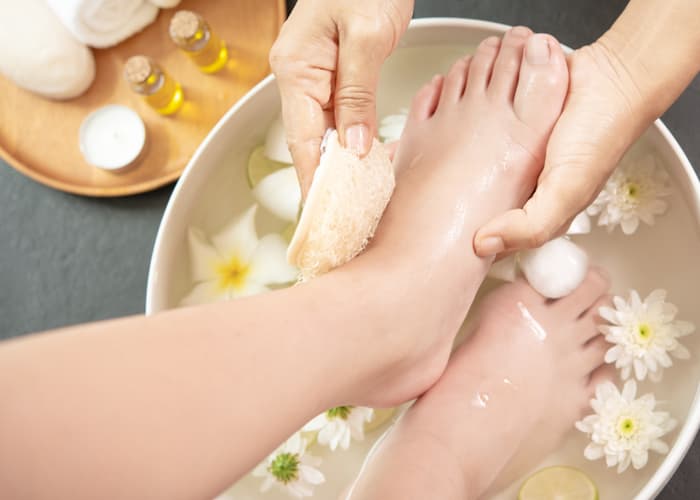
A warm foot soak softens hard skin, so it becomes easier to exfoliate and hydrate. It also improves circulation, which boosts healing.
You can soak your feet in warm water with:
- Epsom salt
- Lactic acid cleansers
- Apple cider vinegar
- Colloidal oatmeal (for eczema-prone skin)
Science angle:
Warm water temporarily increases the permeability of heel skin, making it more responsive to creams and home remedies to heal cracked heels.
3. Applying High-Strength Heel Balms for Faster Relief
Professional-grade heel balms use advanced ingredients like:
- Urea for cracked heals
- Lactic acid
- Salicylic acid
- Ceramides
These actives gently dissolve thick skin, restore lipids, and help healing occur much faster.
Dermatology fact:
A 40% urea cream provides a far stronger exfoliating effect than a 10 percent cream.
4. Gentle Exfoliation for Thick, Flaky Skin
Exfoliating removes dead skin that blocks moisture from entering. But over-exfoliation can worsen cracks, especially deep ones.
Use:
- A soft foot file
- Pumice stone
- Pumice stone
- AHA exfoliating cream
- Lactic acid lotions
Biotech touch:
Next-gen foot exfoliants use urea-based creams that offer smoother results with less irritation.
5. Natural Remedies That Support Dry Heel Healing
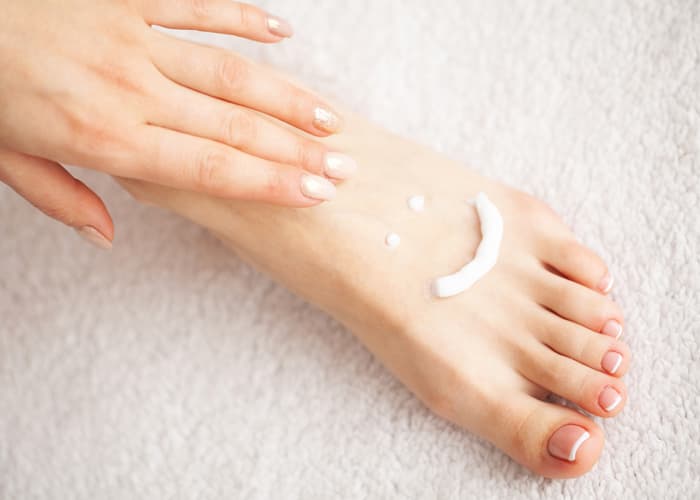
Nature still offers powerful options. These home remedies to heal cracked heels support repair in gentle, skin-loving ways, leaving your heels smooth.
Great natural ingredients include:
- Aloe vera (anti-inflammatory)
- Honey (natural humectant)
- Upodikadi oil and Madhucchishtadi paste
- Banana paste (rich in potassium and moisture)
- Ghee (Ayurvedic softening agent)
These are especially helpful for sensitive skin types that cannot tolerate strong acids.
“Stay consistent, not aggressive”—that’s the golden rule of exfoliating cracked heels.
6. Building a Protective Barrier Against Daily Damage
Your heel skin needs protection during the day. A barrier layer locks in moisture and shields the skin from friction. Use petroleum jelly, thick balms, urea-based creams, or ceramide formulas.
These prevent moisture loss and protect existing healing progress.
Do you know?
Occlusive agents like petrolatum can reduce water loss by up to 98%, making them powerful for repairing deep heel fissures.
A Simple Everyday Foot-Care Routine
Morning Routine for Soft, Smooth Heels
- Clean feet with a mild, pH-balanced cleanser.
- Apply a lightweight hydrating foot lotion with glycerin or lactic acid.
- Seal with a protective heel balm.
- Wear cotton socks if possible.
- Avoid walking barefoot on hard floors.
This ensures your heels smooth out steadily during the day.
Night Routine for Intensive Heel Repair
- Soak feet for 10–12 minutes.
- Gently exfoliate thick areas.
- Apply urea-based cream generously.
- Seal with petroleum jelly.
- Wear socks overnight for occlusion.
Skin regenerates fastest overnight, so this routine speeds up healing dramatically.
Why Urea Foot Cream Is a Game-Changer
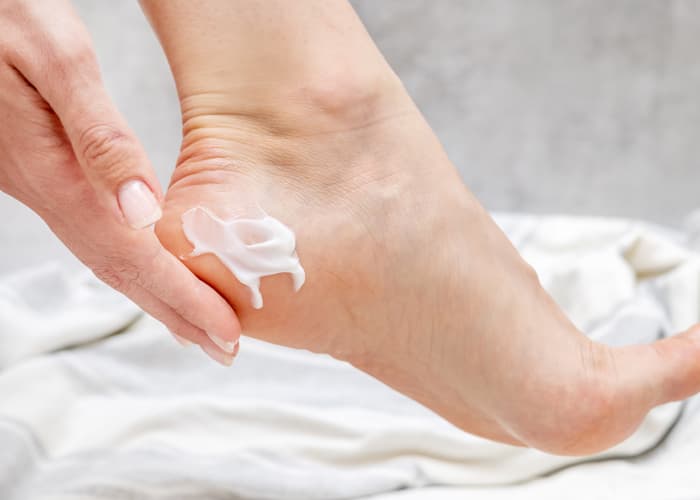
Urea is one of the most researched ingredients for cracked heels.
It:
- Softens thick skin
- Hydrates deeply
- Repairs the barrier
- Increases elasticity
- Boosts natural exfoliation
Dermatologists recommend urea-based formulas because they adapt to different skin types. Lower strengths hydrate, while higher strengths exfoliate. Modern formulas even use encapsulated urea for slow-release hydration—an innovation that keeps heels smooth longer.
How to Prevent Heel Cracks from Returning
Preventing cracked heels is simpler than repairing them, but it requires consistency. Daily moisturizing keeps the skin barrier healthy and flexible. Wearing cushioned footwear reduces pressure that causes fissures. Mild soaps protect natural oils, while proper hydration keeps the skin supple from within. During winter, occlusive creams and socks at night help counter moisture loss faster. Avoiding hot water and walking barefoot prevents further dryness and mechanical stress on the heels.
With these habits, most people can maintain smooth, healthy heels throughout the year.
Other Symptoms That May Come with Cracked Heels
Cracked heels may also cause:
- Burning sensations
- Itching
- Redness
- Hard calluses
- Flaky or peeling skin
- Deep fissures that bleed
If symptoms worsen, it may indicate infection, especially diabetics.
Managing Heel Pain Safely
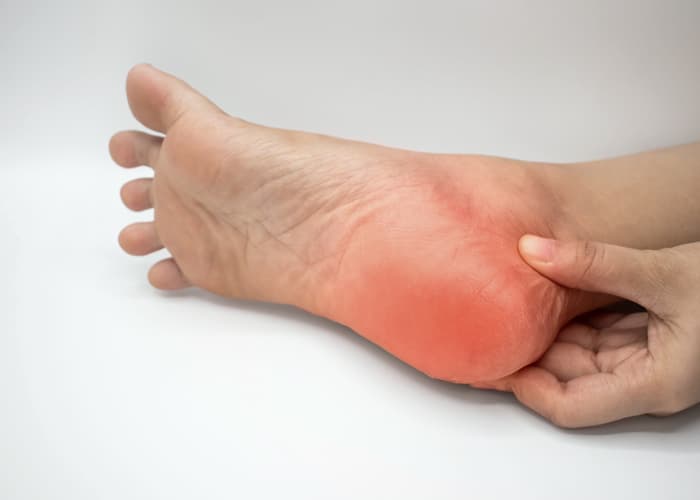
Heel cracks often cause pain due to inflammation, pressure, or open fissures. Cold compresses can reduce swelling, while gentle anti-inflammatory creams soothe discomfort. Wearing cushioned silicone heel cups distributes body weight evenly and prevents further tearing. Soft padded socks also help protect sensitive skin. If pain becomes persistent or severe, especially in diabetics, a medical evaluation is essential to rule out infection or deeper fissures.
You know what winter makes heel cracks worse — here’s why
- Low humidity + heated indoor air = faster moisture loss.
- Moisture evaporates 5× faster in winter.
- Use occlusives and socks at night.
“Consistency is the secret to healing and keeping heels smooth year-round”
Outlook: Will Your Heels Recover?
Absolutely! With consistent care, smart ingredient choices, and a supportive routine, cracked heels improve quickly. Most people see visible healing within 5–7 days following these methods. Your feet can return to being soft, strong, and moisturized—with the right combination of science, nature, and routine.
To Sum-Up
Healing cracked heels is a blend of smart skincare, science-backed ingredients, and consistent routines. With the right approach, you can restore softness, repair fissures, and keep heels smooth every day.
“Healthy heels are not magic—they’re the result of consistent care.”
FAQs
1. What is the fastest way to heal cracked heels?
The fastest method is combining warm foot soak, gentle exfoliation, and high–strength urea cream (25–40%) at night. Sealing it with petroleum jelly and wearing cotton socks helps the actives penetrate deeper. This routine softens the skin, reduces fissures, and boosts repair within a few days. Consistency is key to visible results.
2. Can urea-based foot cream heal cracked heels?
Yes, urea-based foot creams helps heal cracked heels because it replenishes lipids and improves moisture retention. Its antibacterial properties also protect open fissures. Applying it overnight with socks creates an occlusive layer that enhances softness. It works best for mild to moderate dryness, though severe fissures need urea-based creams.
3. What’s the best home remedy for cracked heels?
Honey and ghee are effective because they deeply moisturize and soften thick heel skin. These nourish the barrier and reduce flakiness when used regularly. They offers Ayurvedic healing benefits for very dry feet. Daily application maintains smooth, supple heels.
4. What can I use for extremely cracked heels?
Severely cracked heels respond best to high-strength urea creams, lactic acid-based exfoliators, and thick occlusive balms. These ingredients break down hard skin and replenish lost moisture. Using silicone heel socks or heel cups helps reduce pressure on fissures. Seek medical care if cracks bleed or become infected.
5. How to heal cracked heels in 2 days?
You can achieve significant improvement in 48 hours by following a soak–exfoliate–urea cream–occlusion routine at night. This softens calluses, fills in dryness, and reduces discomfort quickly. Wearing socks while sleeping enhances absorption. Deep cracks may take longer but will still show noticeable improvement.
6. How do you keep your heels smooth?
Keeping heels smooth requires daily moisturizing, weekly exfoliation, and wearing cushioned footwear. Applying occlusive balms at night helps maintain softness and prevent moisture loss. Avoiding harsh soaps and walking barefoot also reduces dryness. With regular care, smooth heels can be maintained throughout the year.