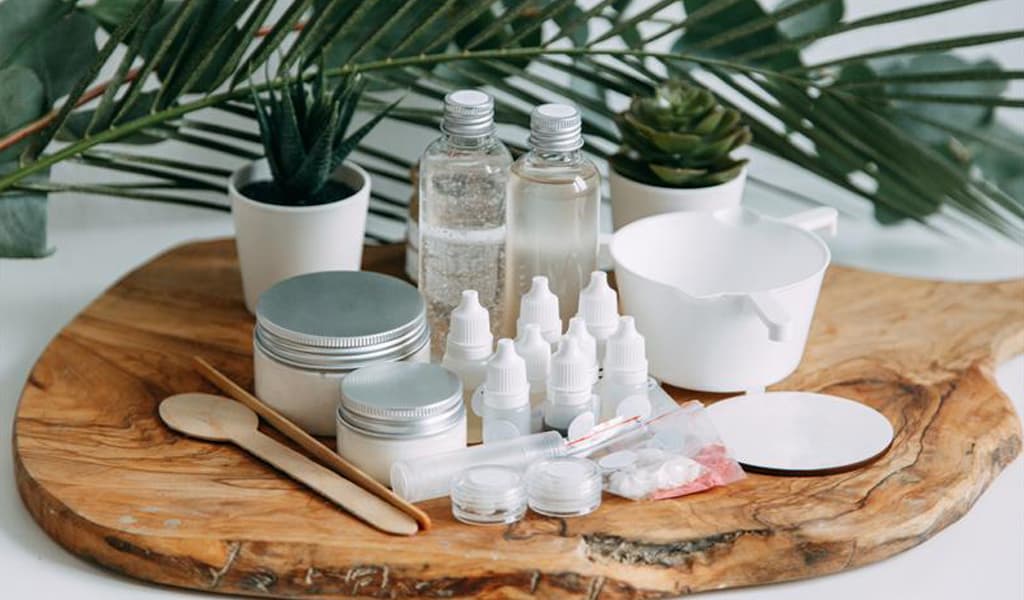
From Lab to Shelf: The Journey of a Skincare Product
Have you ever picked up a skincare product off the shelf and wondered how it got there? Behind every serum, moisturizer, or cleanser lies a complex journey involving science, creativity, safety testing, and consumer trust. From the first spark of an idea in the lab to the sleek packaging in your hands, here’s a behind-the-scenes look at how skincare products come to life.
This isn’t just about creams and lotions—it’s about chemistry meeting beauty, safety aligning with style, and consumer trust being built drop by drop. Let’s take you inside the skincare product development process and uncover the story of how a simple idea transforms into the product you see on shelves worldwide.
Highlights
- Step 1: Identifying a Need or Trend
- Step 2: Formulation in the Lab
- Step 3: Safety And Stability Testing
- Step 4: Packaging Design and Compatibility
- Step 5: Regulatory Approval and Compliance
- Step 6: Branding And Marketing
- Step 7: Manufacturing And Distribution
- Step 8: Launch And Feedback
- Science Fact Corner
- Final Thoughts
- FAQs Frequently Asked Questions
Step 1: Identifying A Need or Trend
Every skincare product begins with consumer need. It may be tackling acne, reducing wrinkles, or achieving radiant skin. Modern trends like clean beauty, vegan formulas, or microbiome-friendly skincare often spark new product lines. Women often rely on dermatologists’ social media presence and do detailed research before booking an appointment.
Market researchers and product developers dive into:
- Dermatological concerns
- Social media-driven beauty trends
- Consumer feedback loops
- Gaps in product categories
This stage defines the mission of the entire product. Without knowing what customers want, no formulation can succeed.
Step 2: Formulation In the Lab
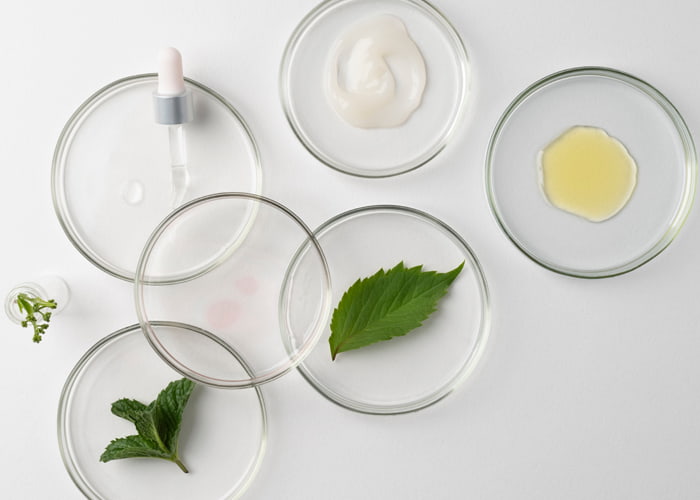
This is where science meets beauty. Cosmetic chemists get to work designing the perfect formula. Their challenge: balance safety, effectiveness, and stability.
They experiment with:
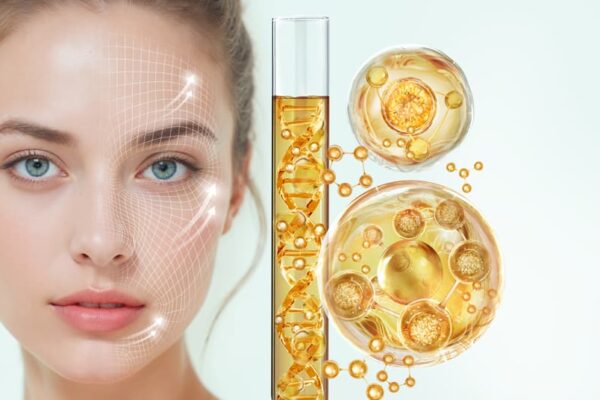
- Actives like retinol, niacinamide, or peptides
- Delivery systems like encapsulation for deeper absorption
- Base textures—gels for oily skin, creams for dry skin, or oils for barrier repair
Formulation often involves dozens of test batches before landing on the one that feels, absorbs, and performs just right.
Step 3: Safety And Stability Testing
No product can launch without proving it’s safe for human skin.
This involves:
- Stability Testing: Can the cream survive heat, humidity, and light?
- Microbiological Testing: Is the product resistant to bacteria and mold?
- Dermatological Testing: Patch tests ensure it won’t irritate sensitive skin.
NOTE: Some brands even conduct clinical trials—for example, showing wrinkle reduction in just 2–4 weeks. This scientific backing builds consumer trust.
Step 4: Packaging Design and Compatibility
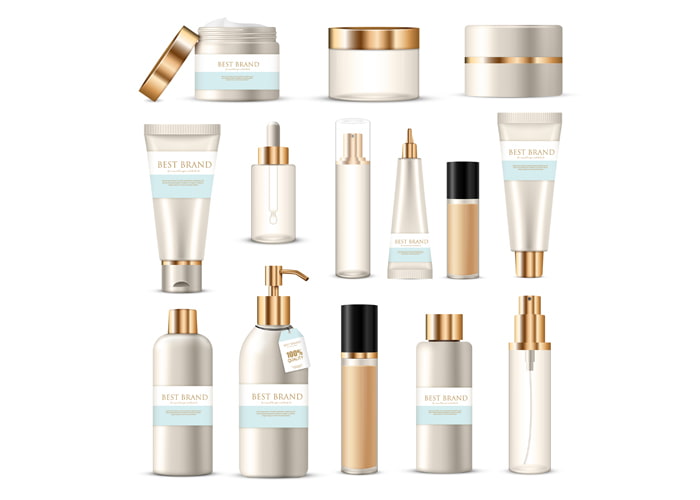
Packaging is not just about pretty bottles. It’s about functionality, stability, and brand storytelling.
- Active ingredients like Vitamin C or retinol are sensitive to light—requiring dark glass bottles or airless pumps.
- Packaging must also protect against contamination and be easy to use.
- Drop tests and stress tests confirm that the container keeps the formula safe.
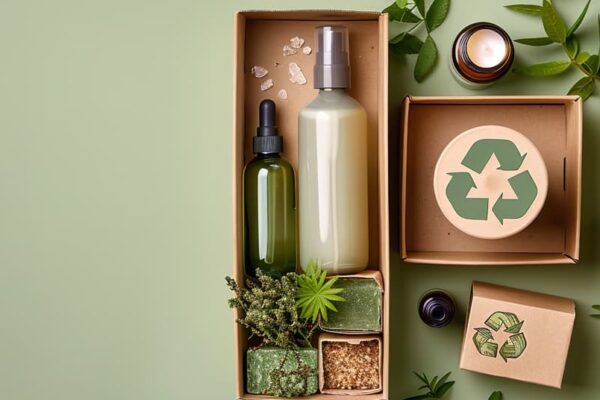
In today’s eco-conscious world, sustainable packaging is also a rising trend.
Step 5: Regulatory Approval and Compliance
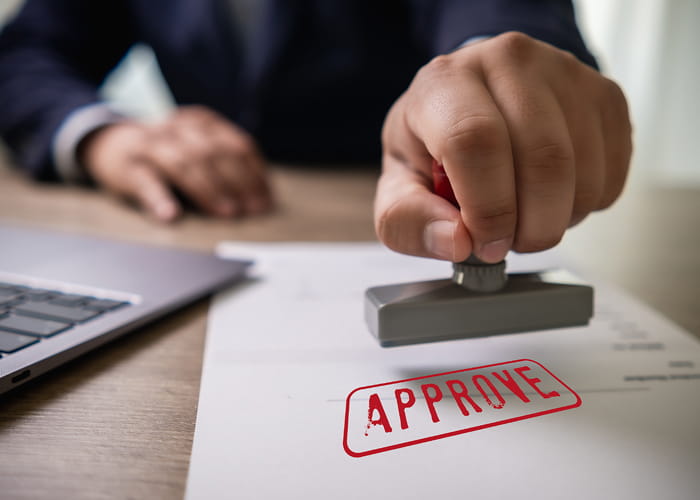
Skincare regulations vary globally:
- In the U.S., the FDA oversees cosmetic safety.
- In the EU, labeling and ingredient restrictions are among the strictest.
- In South Korea and Japan, unique testing and cultural preferences shape approvals.
Labels must clearly list ingredients, safety warnings, and expiration. Transparency here isn’t just legal—it’s about consumer trust.
Step 6: Branding And Marketing
Now comes the storytelling. A scientifically solid product still needs a voice and identity.
Marketing teams shape:
- Product name and tagline
- Highlighted benefits (“brightens skin in 2 weeks”)
- Campaigns across social media, influencer collabs, and retail promotions
Today’s skincare enthusiasts are savvy—they demand authenticity. Overpromising is no longer an option; science-backed claims are the real selling point.
Step 7: Manufacturing And Distribution
When the formula and story are ready, mass production begins.
- Certified manufacturing facilities ensure safety and quality.
- Each batch undergoes quality control checks to guarantee consistency.
- Products are filled, packaged, and shipped to retailers, online stores, and beauty counters worldwide.
This stage transforms the lab-tested sample into a global skincare phenomenon.
Step 8: Launch And Feedback
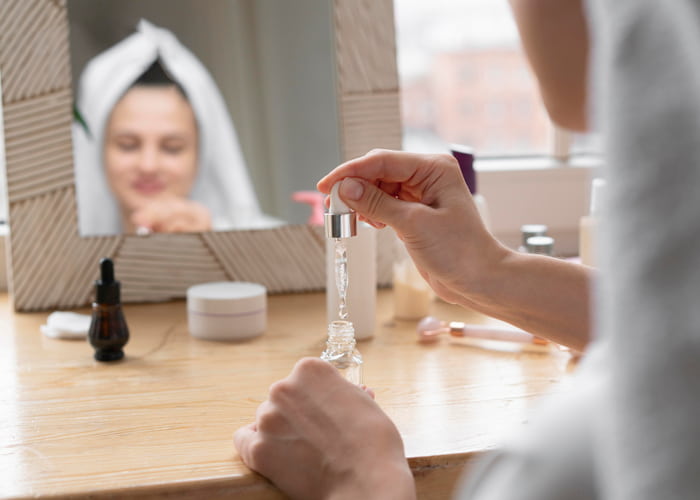
Finally, the product reaches the customer. But the journey doesn’t end here—it evolves.
Brands monitor:
- Online reviews and consumer feedback
- Sales performance and repeat purchases
- Suggestions for reformulations or new versions
In fact, consumer reviews often spark the next big skincare trend.
Science Fact Corner
Did you know? A skincare product pH balance is critical. The skin barrier naturally sits around pH 5.0-6.0. If a product strays too far from this range, it can irritate skin or damage the microbiome. That’s why chemists carefully fine-tune formulations to match our biology.
Final Thoughts
Next time you apply your favourite serum or cream, remember the science, strategy, and passion behind it. Creating a skincare product is no easy feat—it’s a mix of innovation, diligence, and a deep understanding of both skin and consumer needs. Choose whats right and best for your skin.
From lab to shelf, it’s a beautiful journey.
FAQs Frequently Asked Questions
1) How does “From Lab to Shelf: The Journey of a Skincare Product” translate into what I feel on my skin?
It means your product was built from a real consumer need, validated by lab tests, and proven for stability and safety. You feel better glide, less irritation, and benefits that show up because the cosmetic formulation process guarded potency and comfort from day one. That’s what gets a formula from concept to your shelf—and keeps it there.
2) In “From Lab to Shelf: The Journey of a Skincare Product,” how long does the process usually take?
Most products need 12–24 months. Time goes to lab iterations, stability testing, preservative challenge, patch tests, and evidence for claims. Add pack compatibility, compliance for each region, and scheduling manufacturing slots. Faster is possible, but cutting corners often shows up as pilling, oxidation, or irritation later.
3) Where does safety fit inside “From Lab to Shelf: The Journey of a Skincare Product”?
Safety anchors every step: microbiological controls, pH tuning, allergen awareness, and dermatological testing. Brands also design packaging compatibility to protect actives from light and oxygen and to reduce contamination. When you see airtight pumps, amber glass, or PAO symbols, that’s safety made visible.
4) Do skincare products need FDA approval?
In the U.S., cosmetics don’t require pre-market FDA approval, but they must follow FDA safety and labeling rules. The EU requires a safety dossier and responsible person. Claims must match data everywhere. If a product strays into “drug” claims (like treating disease), it enters a different regulatory path entirely.
5) How does packaging influence results in Skincare Product?
Packaging is part of performance. Airless systems minimize oxidation, dark glass blocks light, and precise pumps control dose. Good packs prevent “good formula, bad experience” issues—like leaks, drying, or potency loss. Sustainable choices now balance recyclability with barrier protection, so you get results without waste.
6) What should I check before buying a Skincare Product”?
Scan the INCI for known irritants for you, look for clear usage directions, and note PAO or expiry. Favor brands sharing claim data (instrument or user studies) and patch-test guidance. If a formula contains unstable actives, prefer airless or amber packaging. Small details like these predict a smoother, more effective routine.