
Your Ultimate Guide to Partnering with Top Cosmetic Manufacturing Companies
The beauty industry thrives on innovation and quality, making your choice of a cosmetic manufacturer critical. Whether you’re a startup or an established brand, understanding the nuances of manufacturing partnerships—from local suppliers to private labeling—can make or break your success.
India’s cosmetics market will hit $20 billion by 2025 (IBEF). For brands seeking “cosmetic manufacturers near me” or private label cosmetics, India’s hubs like Mumbai, Delhi-NCR, and Punjab, Chandigarh, Baddi offer world-class production. This guide decodes how to partner with Indian manufacturers—compliant with CDSCO, ISO, and GST norms.
Your Ultimate Guide to Partnering with Top Cosmetic Manufacturers in India
The beauty industry thrives on innovation and quality, making your choice of a cosmetic manufacturer critical. Whether you’re a startup or an established brand, understanding the nuances of manufacturing partnerships—from local suppliers to private labeling—can make or break your success.
India’s cosmetics market will hit $20 billion by 2025 (IBEF). For brands seeking "cosmetic manufacturers near me" or private label cosmetics, India’s hubs like Mumbai, Delhi-NCR, and Punjab, Chandigarh, Baddi offer world-class production. This guide decodes how to partner with Indian manufacturers—compliant with CDSCO, ISO, and GST norms.
Finding Reliable Cosmetic Manufacturers Near Me
Searching “cosmetic manufacturers near me” in India isn’t just convenient—it’s cost-effective. Local partners in Mumbai, Delhi-NCR (Noida, Faridabad), Punjab, Chandigarh, Baddi or Hyderabad (Jeedimetla) reduce logistics costs by 30% and speed sampling to 7–10 days. For example, a Punjab based skincare brand can partner with a Dera Bassi GMP-certified unit for faster iterations. Prioritize manufacturers with:
- CDSCO registration (mandatory for cosmetics)
- Expertise in your niche (e.g., skin care products, hair care products, personal care products)
- Local raw material sourcing (neem, turmeric, sandalwood) Brands like Aurel Derma leveraged proximity to Punjab units for rapid market entry.
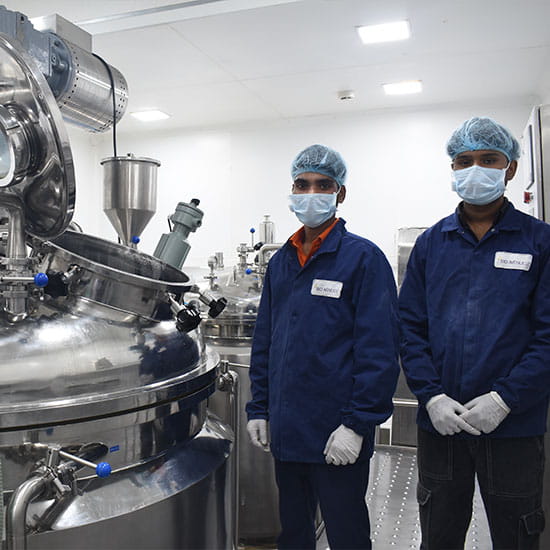
A cosmetic products manufacturer is the backbone of your brand, transforming formulas into market-ready items. Key considerations include R&D capabilities, scalability, and regulatory compliance. For instance, if you’re developing a vitamin C serum, partner with a lab experienced in stabilizing sensitive actives. Many brands opt for cosmetic third party manufacturing to leverage existing infrastructure without heavy capital investment.
A “cosmetic products manufacturer” in India must balance innovation with compliance.
Key considerations:
- Cosmetics Expertise: 65% of Indian consumers prefer good products like Derma Essentia, Aurel Derma. Units like Bioavenues (Punjab) specialize in Cosmetic Product Manufacturing.
- CDSCO & GST Compliance: Avoid vendors without Drug License Numbers.
- Small-Batch Flexibility: MOQs of 3000–10000 units (critical for startups). Cosmetic third party manufacturing giants like Bioavenues (Punjab) offer end-to-end R&D for global brands. For local control, pair with “cosmetic manufacturers near me” searches in Delhi-NCR, Punjab, Chandigarh, Baddi or North India—hubs for sustainable packaging.
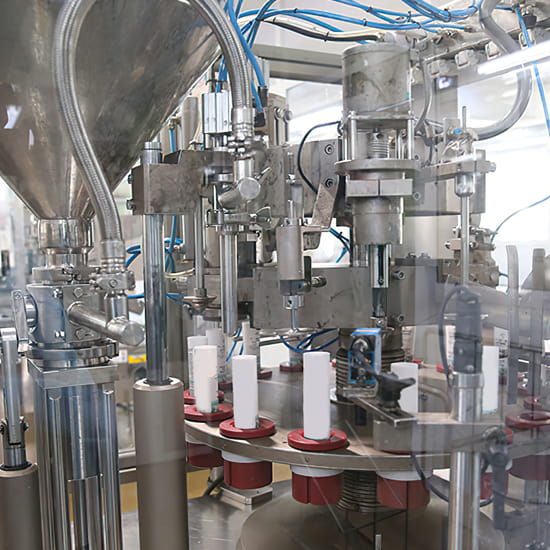
Cosmetic third party manufacturing lets brands outsource production while retaining creative control. This model is ideal for entrepreneurs lacking factory access but demanding custom formulations. Imagine launching a CBD-infused moisturizer: A third-party partner handles sourcing, emulsification, and compliance, while you focus on marketing. To find the right fit, explore cosmetic manufacturing companies with niche expertise—like organic certification or airless packaging. Many also operate as private label cosmetic manufacturers, allowing white-label solutions for faster market entry.
India dominates cosmetic third party manufacturing due to:
- Cost Efficiency: Production costs 40% lower than Europe (example: a 100ml serum costs ₹80–150/unit).
- Regulatory Ease: CDSCO-approved units handle Product Information Files (PIF) and testing.
- Niche Specialization: Kerala for ayurvedic, Gujarat for chemicals. Brands like Sugar Cosmetics use third-party partners for 90% of production. For quality control, combine with “cosmetic manufacturers near me” near major ports (Mundra, Chennai) to simplify exports.
Leading Cosmetic Manufacturing Companies in India
Leading Indian cosmetic manufacturing companies include:
- Bioavenues (Punjab) – Premium Skin & Hair Care
- Hindustan Unilever (Mumbai) – Mass-market FMCG
- Amarnath Healthcare (Delhi) – Herbal/private label
- Axiom Cosmetics (Bangalore) – Premium skincare
Key Selection Criteria:
- Export Readiness: Units with WHO-GMP certification
- MSME Benefits: 15–25% cost savings through govt. subsidies
- Tech Integration: ERP-tracked production

Private label cosmetic manufacturers empower brands to sell products under their own label without R&D hurdles. Picture launching a luxe body lotion line: Your manufacturer provides pre-formulated options, you customize fragrances and packaging, and they handle production. This model slashes time-to-market and costs, making it popular among indie brands. When selecting a partner, assess their catalog diversity (e.g., serums, cleansers, makeup) and customization depth—can they tweak textures or ingredients? Many cosmetic manufacturing companies bundle private labeling with cosmetic third party manufacturing for hybrid flexibility.
India’s private label cosmetic manufacturers offer unmatched customization:
- Turnkey Solutions: From formulation (e.g., sandalwood face wash) to BharatNQR-enabled packaging.
- MOQs as low as 3000-10000 units (e.g., Bioavenues).
- Regional Adaptation: Halal-certified (Kerala), tropical climate testing (Goa).
- Case Study: MyGlamm scaled to ₹1,500cr revenue via Mumbai-based private label partners. For faster delivery, use “cosmetic manufacturers near me” in tier-2 cities like Indore or Jaipur (15% cheaper labor).
Conclusion
India’s cosmetic manufacturing sector blends ancient ingredients with modern compliance. Whether you seek local agility (“cosmetic manufacturers near me”), personal care expertise (“cosmetic products manufacturer”), or export-ready solutions (“cosmetic manufacturing companies”), prioritize partners with CDSCO licenses, niche specializations, and ESG commitments.
10 FAQs About Cosmetic Manufacturing Partnerships
Q: How do I find reliable cosmetic manufacturers near me?
A: Search “[Your City] + cosmetic manufacturers,” attend local beauty expos, or use B2B platforms like India Mart. Prioritize facilities with GMP certifications, low MOQs, and samples for quality testing. Proximity reduces shipping costs and allows factory audits.
Q: What are the key factors to consider when choosing a cosmetic products manufacturer?
A: Choose partners with expertise in your niche (e.g., skincare, organic makeup), R&D capabilities, regulatory compliance (FDA/ISO), and scalability. Request stability test reports and confirm in-house labeling/packaging services.
Q: How does cosmetic third party manufacturing work?
A: You provide formulations or select from a manufacturer’s catalog. They handle sourcing, production, quality control, and documentation. You retain branding rights—ideal for startups avoiding factory investments.
Q: Top 3 cosmetic manufacturing companies for startups?
A: Bioavenues (Punjab), Cosmokon (Delhi), Vyom (Mumbai).
Q: Minimum investment for cosmetic manufacturing in India?
A: ₹2–5 lakh (including formulation, 3000-unit MOQ, basic branding).
Q: Why choose local cosmetic manufacturers near me over overseas ones?
A: Local partners enable faster sampling (1–2 weeks vs. 8+ weeks), easier quality audits, lower shipping emissions, and responsiveness to last-minute changes. Crucial for perishable (e.g., preservative-free) products.
Q. Which state offers subsidies for cosmetic manufacturing?
A: Gujarat, Maharashtra, Tamil Nadu (up to 25% via MSME schemes).
Q. Do Indian manufacturers support Ayurvedic certification?
A: Yes—look for AYUSH or GMP-certified units in Kerala/Himachal.
Q: How much do private label cosmetic manufacturers charge?
A: Costs depend on:
- a. Formula complexity (e.g., SPF vs. basic lotion)
- b. Packaging (custom molds vs. stock bottles)
- c. Order volume Always request all-inclusive quotes.
Q: How much does cosmetic third party manufacturing cost in India?
A: ₹50–500/unit based on complexity (e.g., serum vs. lip balm).