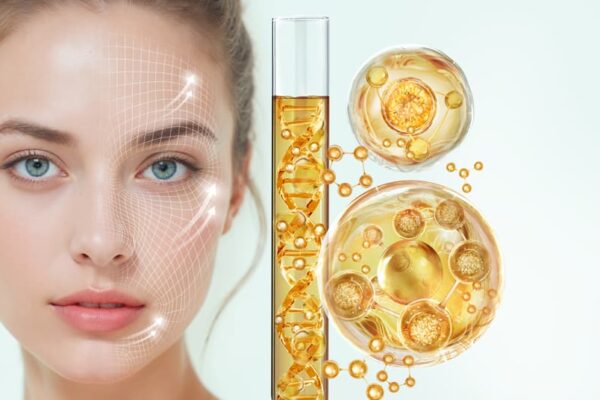
Collagen peptides are everywhere—from your favorite influencer’s skincare routine to that beauty aisle bottle promising firmer skin. With so much buzz, it’s hard to know: are collagen supplements truly the secret to youthful skin, or just another wellness fad?
In this blog, we break it down with science-backed facts, clear benefits, and realistic expectations, so you can decide if collagen is worth adding to your routine.
Highlights
- What Is Collagen and Why It Matters
- Natural Ways to Boost Collagen
- What Are Collagen Peptide Supplements?
- Key Benefits of Collagen Peptides
- How to Take Collagen Effectively
- Final Thoughts
- FAQ’s
What Is Collagen and Why It Matters
Collagen is the most abundant protein in your body—about 30% of all protein content. It’s the glue that holds everything together: your skin, bones, joints, nails, even blood vessels. The most prevalent types of collagens in our body are:
- Type I – Found in skin, bones, and tendons; key for firmness and structure
- Type II – Found in cartilage; supports joint flexibility
- Type III – Works with Type I in skin and blood vessels; helps with elasticity
But with age, this goodness of this ‘glue’ starts to wear off as by mid-20s, collagen production starts slowing down. That’s when fine lines, sagging, brittle nails, and stiff joints often start creeping in.
Add stress, sun exposure, and poor diet, and your collagen breakdown speeds up even more.
Natural Ways to Boost Collagen
Adequate daily intake of collagen is required to give your skin a much-needed boost. Supplements can help you—but they work best alongside smart nutrition and lifestyle choices. Your body can produce collagen naturally, especially when supported with the right nutrients:
- Vitamin C – Found in citrus, bell peppers, and amla; essential for collagen synthesis
- Zinc and Copper – From nuts, seeds, and whole grains; help activate enzymes involved in collagen formation
- Protein-rich foods – Eggs, tofu, chicken, and lentils are rich sources; provide the amino acids your body needs to build collagen
- Bone broth – Naturally rich in collagen and supportive amino acids
- Antioxidants – Found in berries, green tea, and leafy greens; protect collagen from damage
And just as important: cut back on sugar, alcohol, smoking, and sun exposure—all of which speed up collagen breakdown.
What Are Collagen Peptide Supplements?
Eating well is great, but sometimes it’s just not enough to keep your collagen levels up. That’s when supplements can give your skin the extra love it needs.
Collagen peptide supplements are a concentrated form of collagen that’s been broken down into smaller pieces called peptides. This process, called hydrolysis, makes collagen easier to digest and absorb into your bloodstream.
Once absorbed, these peptides provide your body with the raw materials (amino acids) it needs to rebuild collagen in your skin, joints, bones, and connective tissues.
Why Supplements Help:
- After your mid-20s, natural collagen production drops—but your need for collagen doesn’t.
- Simple, consistent way to top up your levels—especially when paired with nutrients like vitamin C that help your body use collagen.
Key Benefits of Collagen Peptides
Collagen peptides do more than just support your skin—they work from the inside out to help your whole body feel and function better. Here’s how they make a difference:
- Smoother, Firmer Skin
Helps improve skin elasticity, reduce wrinkles and dryness, and restore a plump, even texture.
- Stronger Hair and Nails
Supports keratin production, encourages healthy nail growth, and may reduce hair breakage and thinning.
- Healthier Joints and Bones
Promotes flexibility and cushioning in joints, while also aiding in bone strength and reducing stiffness.
- Muscle Recovery and Repair
Contributes to lean muscle maintenance and speeds up post-workout recovery when combined with protein.
- Gut and Tissue Healing
May reinforce the gut lining and support tissue repair—beneficial for digestion and overall healing.
What Does Science Say?
If you’re wondering whether collagen supplements actually do anything, here’s some promising evidence.
A recent 12-week study tested a collagen + vitamin C supplement (Absolute Collagen) on real people—not just cells in a lab. Researchers looked at skin, hair, and scalp changes using advanced imaging tools like confocal microscopy and ultrasound.
Here’s what they found:
- 13.8% Better hydration
- 31.9% Improved hair appearance
- 36.4% Less scalp scaling
- 22.7% Increased skin elasticity
How to Take Collagen Effectively?
You’ll find collagen in powders, capsules, and liquids. Tips for choosing the best out of the rest and getting better results:
- Choose hydrolyzed collagen peptides
- Look for Type I and III for skin, hair, and nails
- Pair with vitamin C for better absorption
- Stick to daily use (5–10g/day is common in studies)
Final Thoughts
Collagen peptides aren’t just a trendy hoax—they can help you improve skin health.
When taken regularly, they can help your skin feel smoother and firmer, your nails grow stronger, and your joints feel a little more supported. Some people even notice better gut health and faster recovery after workouts.
It’s not an overnight fix but think of it as a small daily habit that adds up. If you stick with it and pair it with a good diet and lifestyle, you’ll likely start seeing—and feeling—the difference over time. So, if you’re curious, go ahead and give it a shot.
FAQ’s
Is collagen peptide worth the hype?
Collagen peptides aren’t a miracle, but studies suggest they can help improve skin texture, nail strength, and joint comfort over time—especially if your natural collagen levels are declining with age. It’s a worthwhile addition for anyone focused on aging well from within.
Is collagen peptide good for anti-aging?
Yes. Collagen peptides may help reduce fine lines, increase skin elasticity, and support hydration. These effects, when paired with sunscreen and a good routine, can slow down visible signs of aging. They work best when used consistently as part of a full skincare and wellness approach.
Which type of collagen is best for anti-aging?
Type I and III are best known for their anti-aging advantages. They are most abundant in skin and connective tissue and support firmness, elasticity, and hydration—all important for youthful-looking skin. Many supplements combine both types for maximum anti-aging support.
How long does it take to see results with collagen?
Results vary, but most people notice changes in 8–12 weeks. You may see smoother skin, stronger nails, and improved joint comfort with consistent daily use and a balanced diet. Patience pays off—collagen works gradually but steadily.