Skincare trends come and go but exosome treatments are here to stay!
These tiny particles work deep within your skin, repairing and rejuvenating it. Unlike regular products, exosomes boost collagen, speed up healing, and improve skin health. They reduce inflammation, strengthen your skin barrier, and even out your skin tone.
Exosomes are the future of skincare, offering lasting results and glowing, youthful skin. Ready for a skin transformation? Exosomes could be the answer. Read on to know more.
Highlights
- What Are Exosomes, Exactly?
- How Do Exosomes Work?
- What Are the Benefits of Exosomes in Skincare?
- Exosomes for Acne Treatment: A Breakthrough in Skin Healing
- Exosomes vs. Traditional Skincare: A Comparative Analysis
- How to Incorporate Exosomes into Your Skincare Routine
- Takeaway
- FAQs
What Are Exosomes, Exactly?
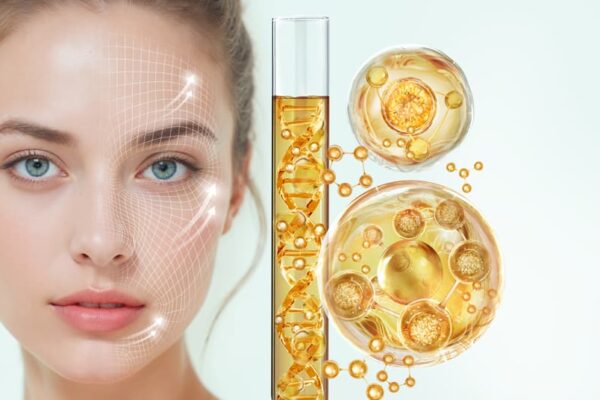
Exosomes are tiny particles found outside our cells that play a big role in helping cells communicate.
They carry important stuff like proteins, fats, and even genetic information between cells, helping your skin repair and renew itself. Think of them as little messengers that keep everything running smoothly inside your skin.
In skincare, exosomes are derived from stem cells and used to enhance skin health by promoting collagen production, reducing inflammation, and accelerating wound healing.
How Do Exosomes Work?
Exosome therapy works by delivering bioactive molecules directly into skin cells, stimulating cell turnover, repairing damage, and improving overall skin function.
They act as carriers of essential growth factors and peptides, aiding in deep skin rejuvenation and anti-aging effects.
Unlike traditional skincare ingredients that work on the surface, exosomes penetrate deeper, addressing skin concerns at a cellular level.
What Are the Benefits of Exosomes in Skincare?
Exosomes benefits skin by offering targeted, deep-level skin repair that traditional products can’t match. From boosting collagen to soothing inflammation, their ability to enhance skin health is backed by science.
Read on to explore the key benefits of exosome therapy and why are exosomes so good?
1. Skin Repair and Rejuvenation
Exosomes enhance skin regeneration by promoting collagen and elastin production. This results in firmer, more youthful-looking skin with improved elasticity and reduced wrinkles.
2. Soothing Inflammation and Redness
Thanks to their anti-inflammatory properties, exosomes help calm irritated skin, making them beneficial for conditions like rosacea, eczema, and post-procedure healing.
3. Enhanced Hydration and Barrier Function
Exosome-based products strengthen the skin barrier, preventing moisture loss and protecting against environmental damage. This leads to improved hydration and resilience.
4. Reducing Acne Scars
Exosomes promote even skin tone by accelerating cell turnover, this makes them effective in treating dark spots, acne scars, and discoloration.
Exosomes for Acne Treatment: A Breakthrough in Skin Healing
Exosomes from stem cells are helpful in treating acne. They promote skin healing and reduce scarring. By boosting collagen production, they repair acne damage and prevent new breakouts.
These exosomes also control inflammation, which is a key cause of acne. They calm redness and swelling, making the skin look clearer. Additionally, exosomes help produce more collagen, which reduces acne scars.
Exosomes also fight skin aging. They help reduce enzymes that break down collagen and promote collagen production. This leads to smoother, firmer skin.
Overall, stem cell-derived exosomes are a great option for treating acne, speeding up healing, and reducing scarring.
Exosomes vs. Traditional Skincare: A Comparative Analysis
Unlike traditional skincare ingredients like retinol and hyaluronic acid, exosomes cosmetics offer targeted delivery, ensuring deeper penetration and more effective results.
While traditional actives focus on surface-level improvements, exosomes work from within, leading to long-term benefits with fewer side effects.
How to Incorporate Exosomes into Your Skincare Routine
- Serums and Creams: Look for exosome-infused skincare products that target specific concerns like anti-aging, or hydration.
- Professional Treatments: Dermatologists offer exosome facials and microneedling procedures for enhanced results.
- Combination with Other Ingredients: Exosomes work well with ingredients like hyaluronic acid, peptides, and growth factors, enhancing their overall efficacy.
Takeaway
Exosomes represent a breakthrough in skincare, offering regenerative and anti-aging benefits far beyond traditional products.
As science advances, these microscopic powerhouses are set to become a staple in medical-grade and professional skincare routines.
Ready to upgrade your skincare game? Exosomes might just be the future your skin needs.
FAQs
1. Are exosomes better than retinol?
Exosomes and retinol serve different functions. While retinol promotes cell turnover and reduces wrinkles, exosomes work at a deeper level to regenerate skin and repair damage, making them a complementary rather than a competing option.
2. Can exosomes penetrate the skin effectively?
Yes, exosomes are designed to penetrate deep into the skin, delivering essential growth factors and bioactive molecules that promote repair and rejuvenation.
3. Are exosomes safe for sensitive skin?
Yes! Exosomes are gentle and well-tolerated, even for sensitive skin. They are biocompatible and biodegradable, meaning they work naturally with your skin without irritating. Studies suggest they can help reduce redness, soothe irritation, and even improve symptoms of sensitive skin conditions.
4. Can exosomes help with acne?
Yes, exosomes can help with acne by reducing inflammation, promoting skin healing, and improving overall skin texture. They also regulate sebum production, which can help prevent future breakouts.
5. Can exosomes be used for hair restoration?
Yes, exosomes show promise for hair restoration. Preclinical studies have demonstrated clear benefits in regenerative medicine, with exosomes promoting hair growth and repairing damaged hair follicles. However, when it comes to alopecia, more data is needed to confirm its effectiveness and long-term safety.
6. Can exosomes help with wound healing?
Yes, exosomes can aid in wound healing by promoting cell regeneration, reducing inflammation, and boosting collagen production. They help speed up the healing process, making them a promising option for treating skin injuries and scars.